We've moved
Kurk has a new home
We've upgraded to a smarter, faster experience at kurk.life. New customers can shop there now. Existing subscribers can log in here to manage their account.
We've moved
We've upgraded to a smarter, faster experience at kurk.life. New customers can shop there now. Existing subscribers can log in here to manage their account.

Protein has had its moment. Now it's fibre's turn.
And according to Ruth Sharif, registered nutritional therapist, naturopath, and KURK Scientific Advisory Board member, for most people it's the single biggest missing piece.
In Part 1, Ruth explained why gut health sits upstream of mood, skin, and so much else. Here, she gets practical: how to increase fibre without the misery, what the 30-plants-a-week rule actually means, and why your breakfast is the easiest place to start.
Before Ruth gets into fibre, she addresses something almost every client brings up: bloating.
"A lot of people come in with bloating or constipation or the opposite problem. You don't have to just deal with that. It's not normal. You need to understand why this is happening."
Her first move is always to sort out the elimination pathway. "A huge amount of bloating is actually down to constipation, people not fully emptying their bowels regularly. If that is working well, you're much less likely to get the bloating and the fermentation."
Getting that sorted first, she says, makes everything else, including introducing new foods, far easier.

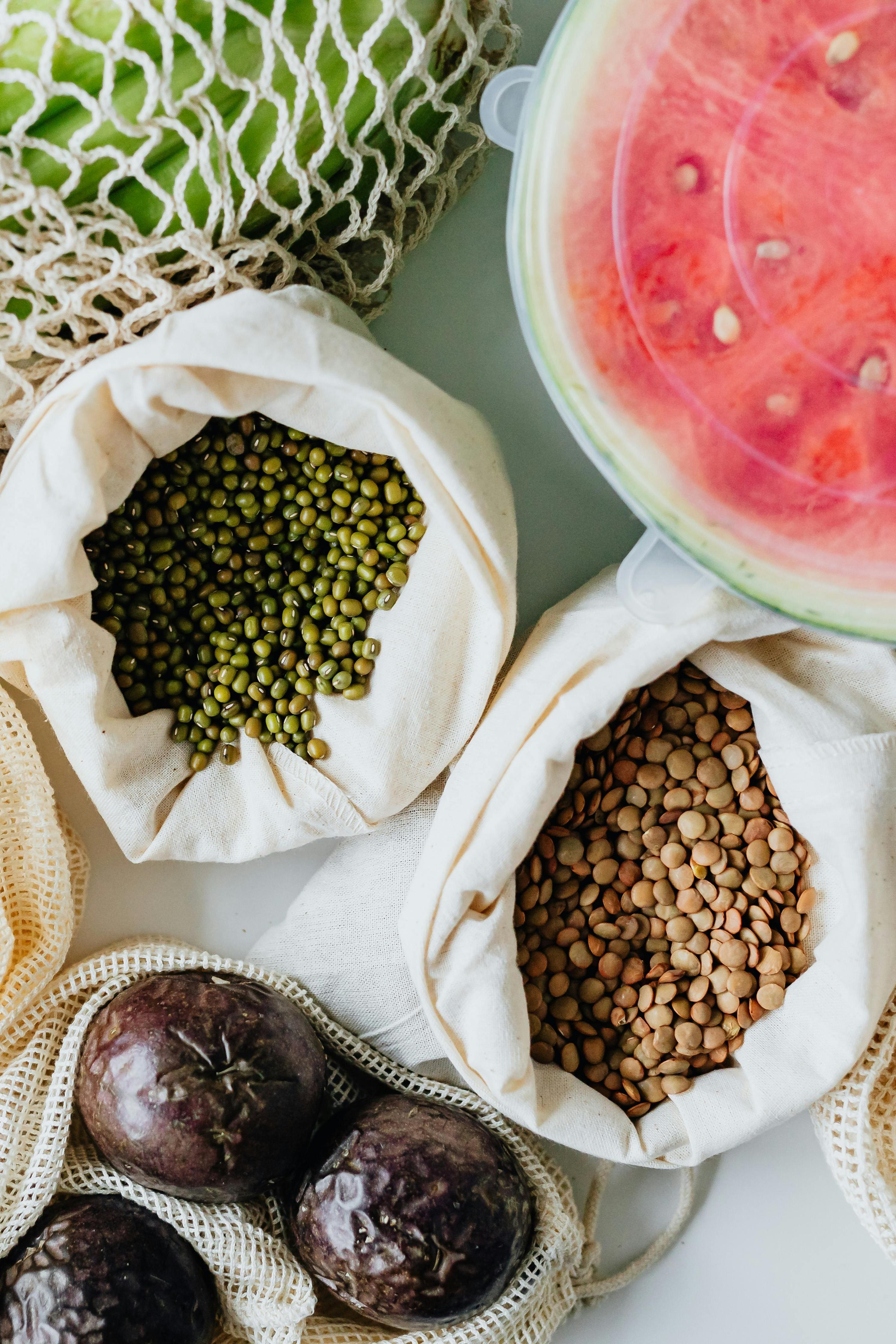
Fibre is finally back in the conversation after years of being overshadowed by protein. Ruth is glad about that, but she's also cautious about how people go about increasing it.
While increasing fibre is incredibly beneficial, some people may notice bloating if they increase it too quickly. Building up gradually can really help with tolerance.
"Low and slow is a really easy way of remembering it. If you do too much too soon, you'll end up feeling quite uncomfortable and bloated. Basically the bacteria in your gut needs time to adapt and get a bit more efficient at fermenting that fibre."
She breaks fibre into two types:
Soluble fibre: cooked vegetables, oats, chia seeds, kiwi. Dissolves more readily in water and is gentler to introduce first.
Insoluble fibre: the bulkier, structural part of a plant that keeps things moving through the colon.
Most plants contain a mix of both. Ruth's recommendation: start with soluble, build gradually, give your gut time to adapt. She calls this approach "fibre layering."
The conversation around gut bacteria has shifted. Probiotics are still useful, particularly for specific issues, but prebiotics are getting the attention they deserve.
Think of prebiotics as fuel for the beneficial bacteria already living in your gut. Key sources: onions, leeks, garlic, asparagus. For those short on time, Ruth also mentions partially hydrolysed guar gum (PHGG), which is well tolerated and easy to add to smoothies.
The 30-plants-a-week target can feel daunting at first, leaving many people wondering how they'd realistically achieve it. Ruth's reframe helps. It's worth thinking of it as a gradual goal to build towards rather than something to hit immediately, starting by adding a few new plant foods each week and going from there.
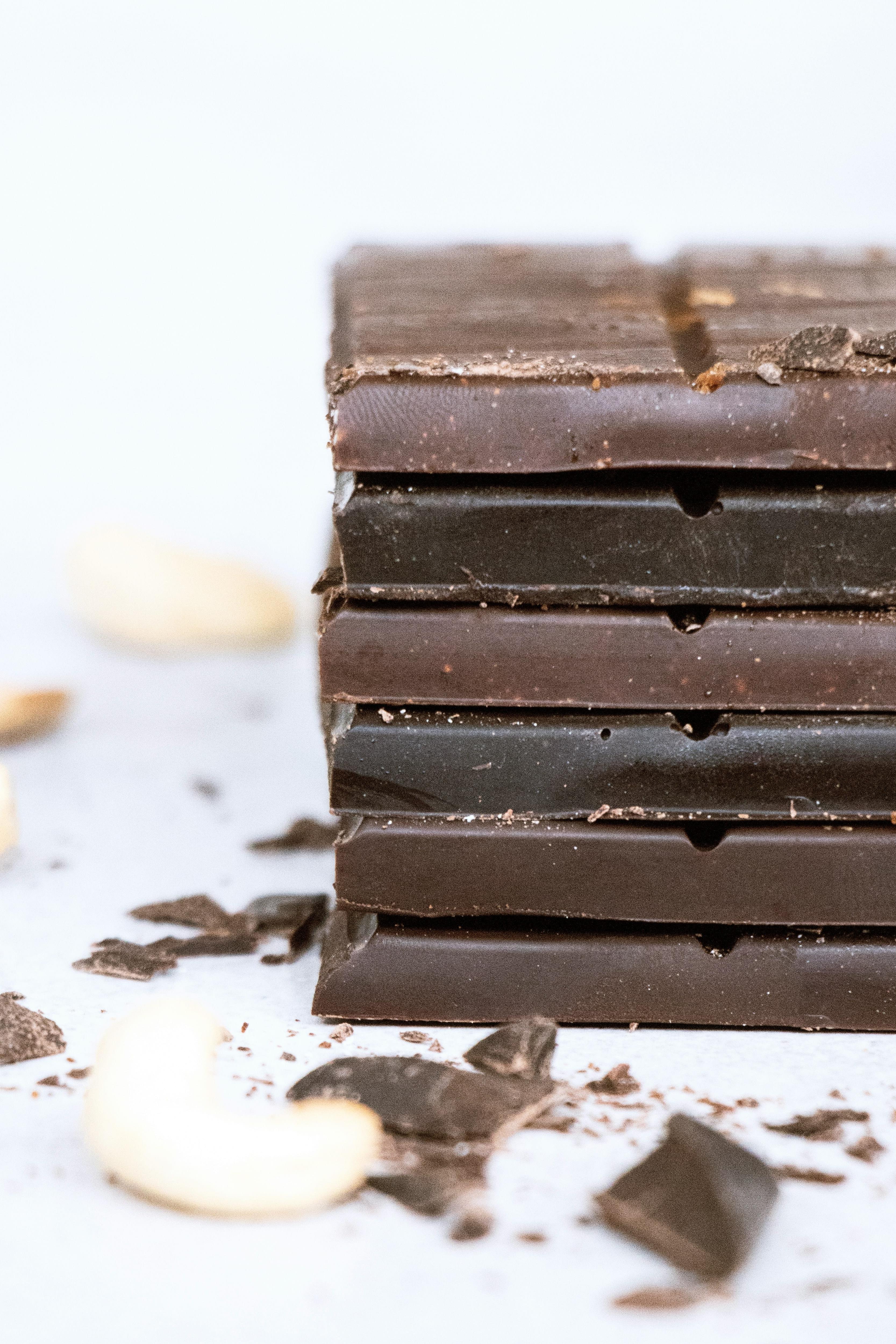
"When clients realise that plant foods are not purely fruit and vegetables — it also covers nuts, seeds, olives, coffee, dark chocolate, legumes, oats and different whole grains — they all count as different plant foods. So it can be a lot easier to incorporate."
She starts at breakfast. Her own morning routine involves what she calls a "gut booster mix," a jar she keeps ready to go, containing:
Mixed seeds (chia, flax, sunflower, pumpkin, sesame)
Flaked almonds
Chopped Brazil nuts or walnuts
Cacao nibs
Oat bran
One scoop into Greek yogurt, overnight oats, or an egg-and-oat patty, and she's already hit around eight different plant foods before 9am.
"A red pepper counts as a different plant food to a yellow pepper. Rather than always having brown rice, mix it up: wild rice, red rice, quinoa, pearl barley. It's that variety that really counts."
The polyphenol payoff is worth understanding too. Foods like cacao nibs, berries, dark chocolate, and coffee are rich in polyphenols, what Ruth describes as "a fertiliser for certain beneficial strains of gut bacteria." These compounds tend to support strains linked to gut lining integrity, metabolic health, and anti-inflammatory effects, meaning diversity in your diet isn't just about hitting a number. It's about encouraging a more resilient and functional microbiome from the inside out.

What is the difference between prebiotics and probiotics? Probiotics are live beneficial bacteria. Prebiotics are the food that feeds those bacteria, fuelling the beneficial strains already present in your gut. Prebiotic-rich foods include onions, leeks, garlic, and asparagus.
How do I increase fibre intake without bloating? Start low and go slow. Introduce small amounts of soluble fibre first (oats, cooked vegetables, chia seeds, kiwi) before adding bulkier insoluble fibre. While increasing fibre is beneficial, some people may notice discomfort if they increase it too quickly, so building up gradually can really help with tolerance.
How do I eat 30 plants a week? Think of it as a gradual goal to build towards rather than something to hit straight away. Start by adding a few new plant foods each week. Breakfast is a great place to begin, with a gut booster mix of mixed seeds, nuts, and cacao nibs. Remember that plant foods include not just fruit and vegetables but also nuts, seeds, legumes, whole grains, olives, coffee, and dark chocolate. Rotating colours and varieties all count as different plants.
Ruth Sharif is a Registered Nutritional Therapist and Naturopath and a member of the KURK Scientific Advisory Board. She holds Diplomas in Nutritional Therapy and Naturopathy from the College of Naturopathic Medicine (2012) and is a member of BANT and registered with the CNHC.