We've moved
Kurk has a new home
We've upgraded to a smarter, faster experience at kurk.life. New customers can shop there now. Existing subscribers can log in here to manage their account.
We've moved
We've upgraded to a smarter, faster experience at kurk.life. New customers can shop there now. Existing subscribers can log in here to manage their account.
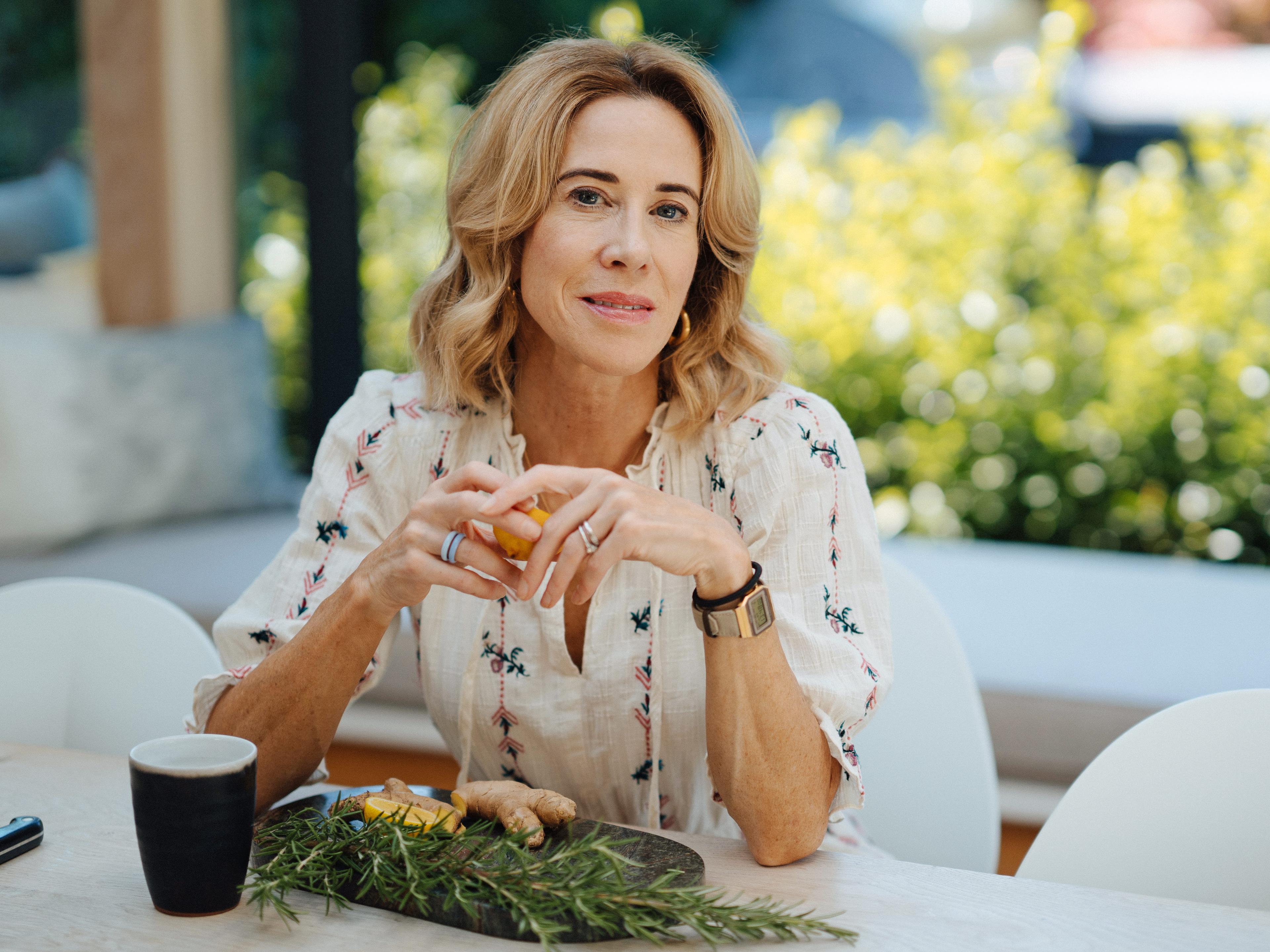
You've felt it before. That knot in your stomach before a big presentation. The butterflies. The gut drop.
Most of us chalk it up to nerves. But according to Ruth Sharif, registered nutritional therapist, naturopath, and member of the KURK Scientific Advisory Board, what's happening in your gut goes far deeper than a stress response. It might be influencing your mood, your skin, your weight, and your immune system more than anything else in your body.
Ruth has been in clinical practice since 2012, graduating from the College of Naturopathic Medicine in both Nutritional Therapy and Naturopathy. Before that, she spent years in the corporate world, including time at Guinness and Heinz. Her words: "literally moving from alcohol and processed foods into nutrition."
A breast cancer diagnosis in 2009, mid-way through her studies, sharpened her focus considerably.
"That really drove me to understand how looking after the body, the environment, and the power of food could play a role," she says. "It impacted me personally as well as academically."
Today she practises from Richmond and online, working with clients across all life stages, from teenagers to women navigating menopause. And in almost every case, the gut comes up.
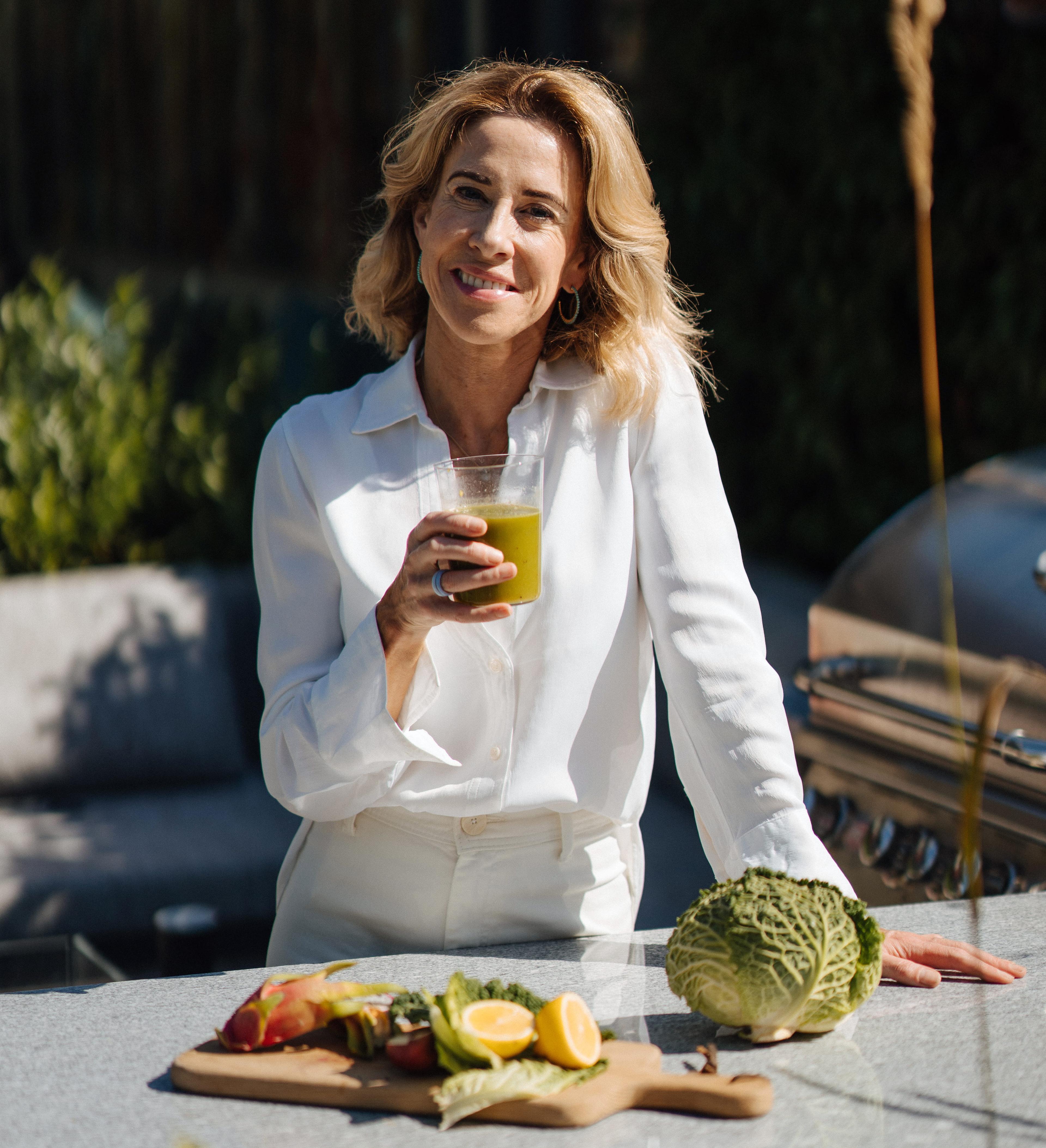
Ruth doesn't specialise in one area. But gut health features in virtually every consultation she has.
"A client might come to me wanting to resolve issues with their skin, their mood, weight regulation, whatever it is," she explains. "But often gut health sits upstream of so many of those symptoms."
Upstream is the key word. Once gut health starts improving, there's a domino effect. The other issues clients originally came in about begin to shift too. "It always comes back to the gut because of how it influences all those areas."
Here's one that surprises almost everyone. Most people assume serotonin, the neurotransmitter associated with mood, is produced in the brain.
Ruth corrects this regularly in practice.
"Something like 95% of our serotonin is produced in our gut. That's massive. But it's also that gut environment that influences the signalling, how well serotonin is produced, and how effectively it's communicated."
Layer on top of that the role of gut bacteria in training the immune system, regulating neurotransmitters, and the vagus nerve linking gut and brain directly, and the picture becomes very clear.

Ruth keeps the skin example close to hand, because it's one clients respond to immediately.
"Skin is a massive reflection of what's going on in our gut."
Hormone-related acne is a useful illustration. Constipation, for example, can impair the body's ability to excrete oestrogen effectively. "It gets recirculated rather than excreted from the body, and that can then show up in the skin."
It's a detail that shifts how people think about skincare, and about where the real work needs to happen.
Interested in the science behind gut health and ingredient quality? Visit the KURK Science page to learn more about what goes into every drop.
What is the gut-brain connection? The gut and brain are linked via the vagus nerve and communicate constantly. Around 95% of the body's serotonin, a neurotransmitter involved in mood regulation, is produced in the gut. The gut microbiome also influences how neurotransmitters are produced and signalled, which is why gut health can have a significant effect on mood, focus, and mental wellbeing.
Can gut health affect my energy levels? Yes. While skin and mood are two of the most visible areas gut health influences, weight regulation and energy also feature regularly in Ruth's client work. Improving gut health tends to have a knock-on effect across all of these areas.
Can gut health affect skin conditions like rosacea and psoriasis, not just acne? According to Ruth, acne is one example, but the gut-skin connection extends further. She references rosacea and psoriasis as conditions where gut lining health and chronic low-level inflammation can play a role.
Ruth Sharif is a Registered Nutritional Therapist and Naturopath and a member of the KURK Scientific Advisory Board. She holds Diplomas in Nutritional Therapy and Naturopathy from the College of Naturopathic Medicine (2012) and is a member of BANT and registered with the CNHC.