We've moved
Kurk has a new home
We've upgraded to a smarter, faster experience at kurk.life. New customers can shop there now. Existing subscribers can log in here to manage their account.
We've moved
We've upgraded to a smarter, faster experience at kurk.life. New customers can shop there now. Existing subscribers can log in here to manage their account.
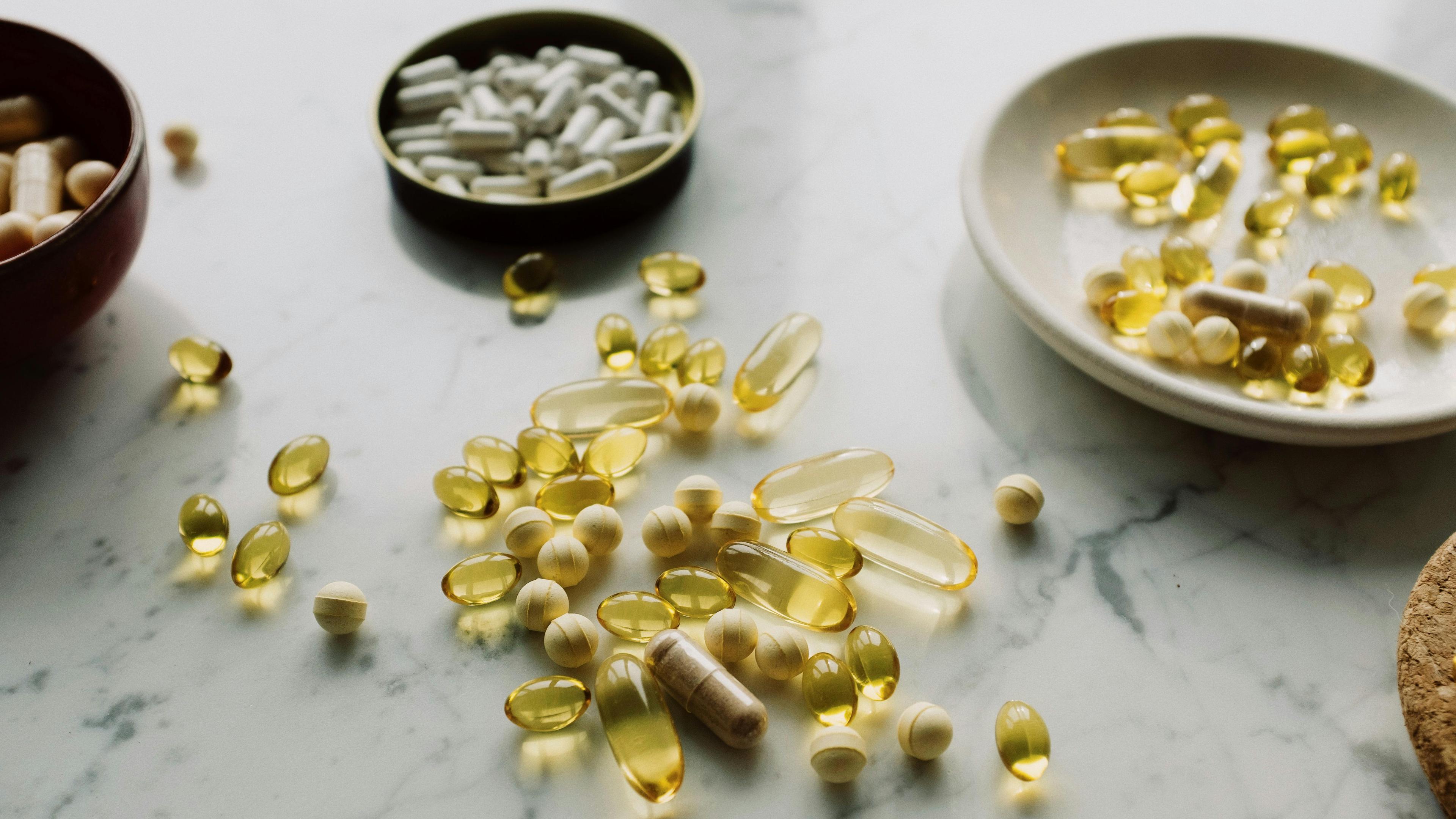
Here's a number worth sitting with: the bioavailability of raw curcumin, the active compound in turmeric, is somewhere between 1 and 3%.
That's it. For every 100mg you swallow in a standard capsule, your body may absorb as little as 1mg.
So why are millions of people taking turmeric supplements every morning and wondering why they're not noticing a difference? We asked Dr. Quinton Fivelman, KURK's Research & Development Director, and Co-founder Trent Scanlen to break it down.
Not all supplements are created equal, and most consumers have no way of knowing the difference from a label alone.
"A lot of supplements contain what are called fillers, excipients, binders, or bulking agents," explains Dr. Fivelman. "Things like rice flour, cellulose, maltodextrin, and magnesium stearate, compounds that have no health benefit whatsoever. Some products even contain titanium dioxide as a whitening agent, because people prefer to take a whiter tablet."
The result? Beautifully packaged products that largely pass straight through you.
This isn't just a curcumin problem. Dr. Fivelman points out that timing, food, and even a glass of grapefruit juice can dramatically affect how well your body absorbs almost any supplement. "If you're taking certain fruit or vegetable juices at the same time as a certain drug or supplement, very little of it could be entering your body. Your receptors in your stomach can get blocked by certain compounds in those juices."
Fat-soluble vitamins (A, D, E, and K) require dietary fat to absorb at all. Water-soluble vitamins like C and B are better taken on an empty stomach. And curcumin, being highly hydrophobic, meaning it repels water, is in a category of its own when it comes to absorption challenges.
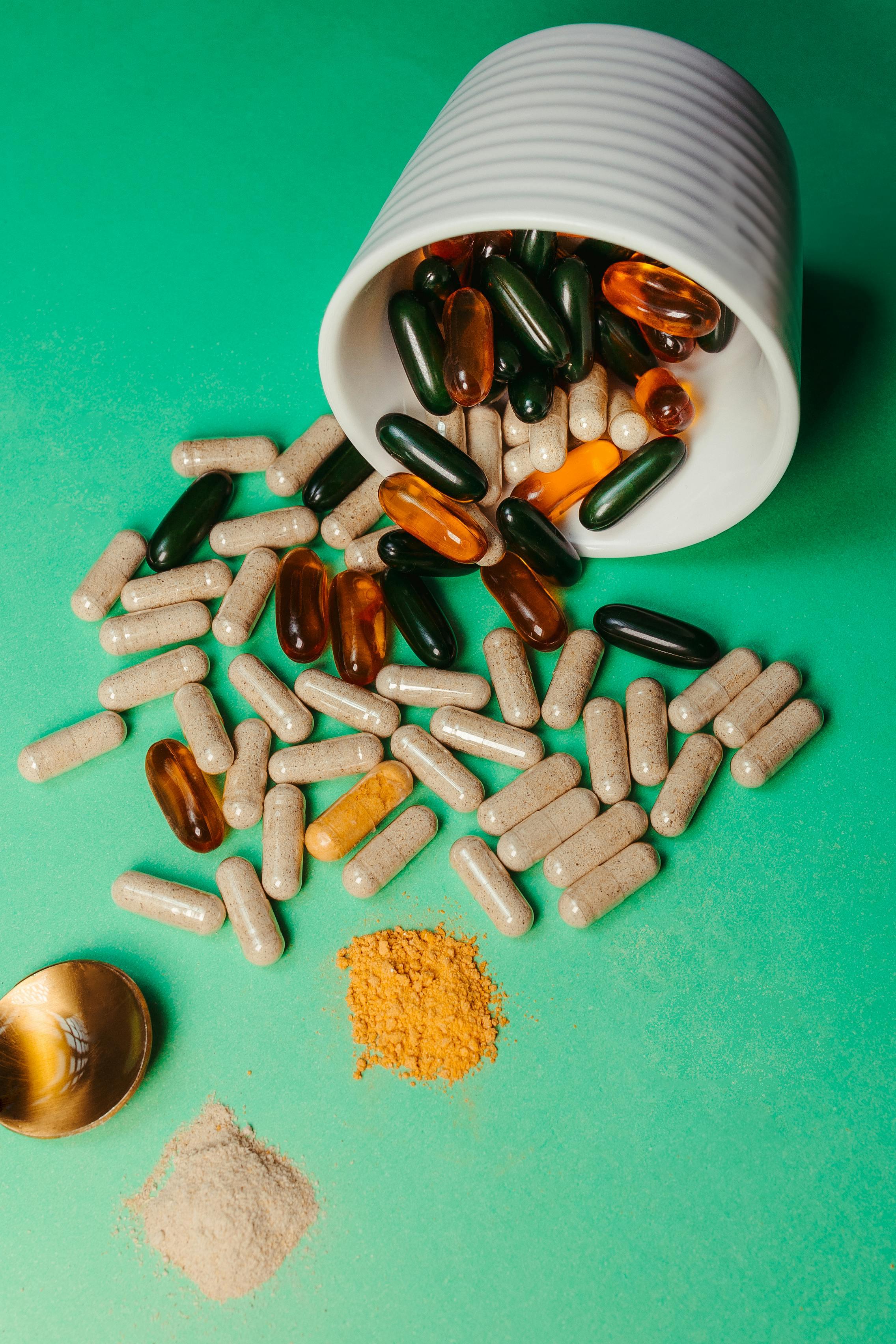
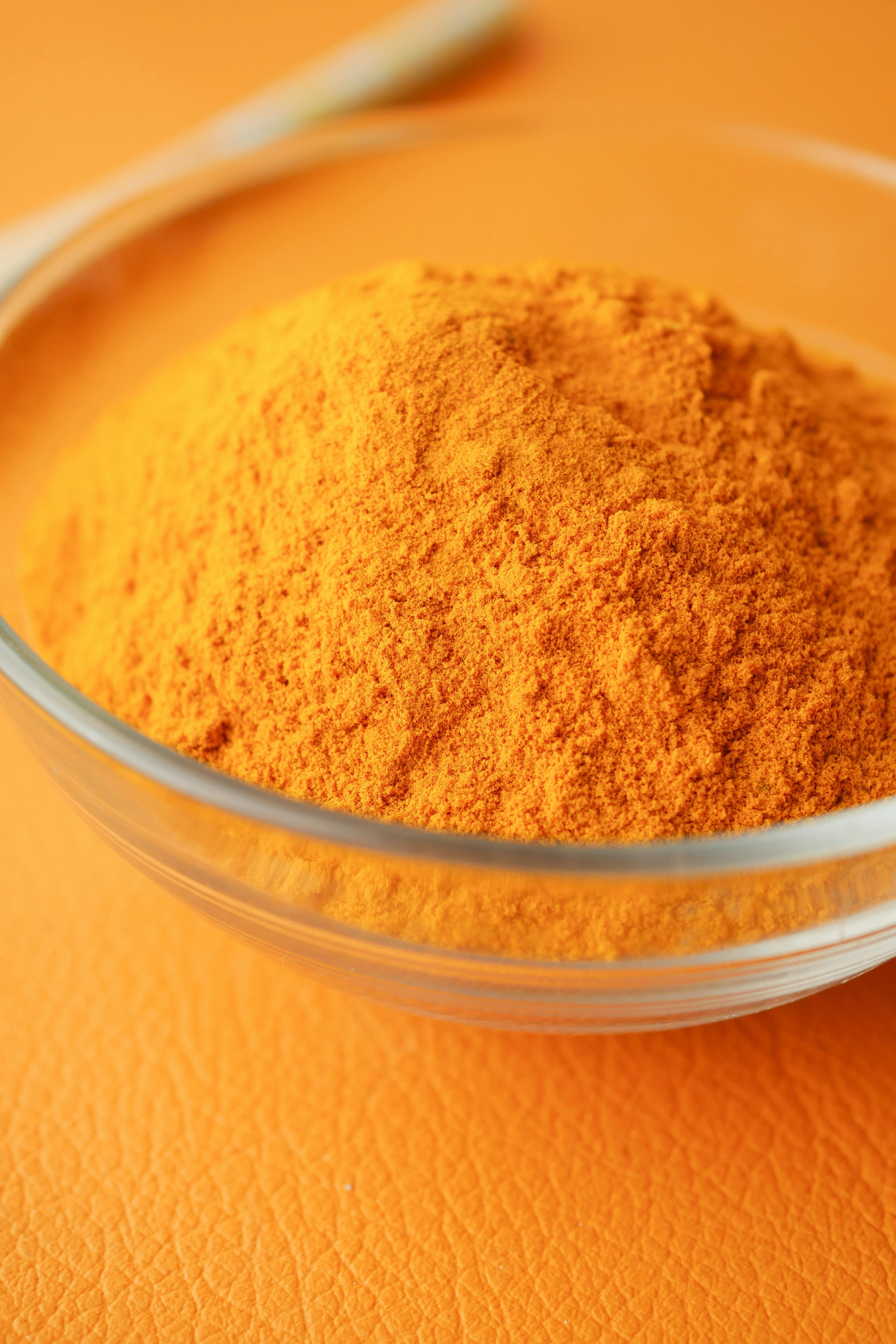
Curcumin is one of the most studied plant compounds in modern nutrition science, and for good reason. But its fundamental chemistry makes bioavailability a genuine obstacle.
"The bioavailability of raw curcumin from turmeric is literally 1 to 3% getting into the body," says Dr. Fivelman. "A lot of people are taking their turmeric tablet every single morning, and very little is actually getting into the body."
Some manufacturers add piperine, the active compound in black pepper, to improve absorption. It helps, but the improvement is modest. What's more effective, as Dr. Fivelman notes, is fat: "When turmeric is cooked in oil in South Asian food and curries, you actually get far better absorption because the oil allows for much higher levels of curcumin entering the body." Traditional food preparation, it turns out, had already solved a problem supplement brands are still catching up on.
This is the challenge KURK was built to address. Using plant-derived micellar technology, KURK's formulation encapsulates curcumin in tiny fat-soluble particles that allow it to pass through the gut lining far more effectively than standard capsule or powder formats, increasing absorption by around 185x compared to raw curcumin.
"A product like KURK massively increases the availability," Dr. Fivelman explains. "Which means you need to take a lot less to actually have the health effect. Some of these standard products, you might take a huge amount, and it goes straight through you with no health benefits at all."
Even a well-formulated supplement won't behave identically in everyone. Dr. Fivelman is clear on this, and it's something the supplement industry rarely acknowledges openly.
"There's a wide variation in what people absorb. That can come down to sex, ethnicity, and genetic background, not to mention also what someone has had for breakfast. Certain people have higher amounts of enzymes which break down supplements, vitamins, and drugs."
One such enzyme, cytochrome P450, is present in higher concentrations in some individuals, affecting how quickly compounds are broken down and therefore how much actually reaches the bloodstream. Your gut microbiome plays a role too, shaped by what you eat and influencing how well different supplements are taken up.
"What we often have is a range of values," Dr. Fivelman says. "We build everything to say this should work for about 80 to 90% of the population, but that's not always the case for everybody."
This is why Dr. Fivelman advocates for a more considered approach to supplementation: understanding your own starting point, your diet, your age, and where your gaps genuinely are. Vitamin D is a good example. "A lot of people, particularly in the UK and Northern Europe where we hardly see the sun at certain times of the year, really should be supplementing with vitamin D. If you did a blood test, you'd notice their levels are below where they should be."
The takeaway isn't that supplements don't work. It's that they work far better when you understand how to use them.
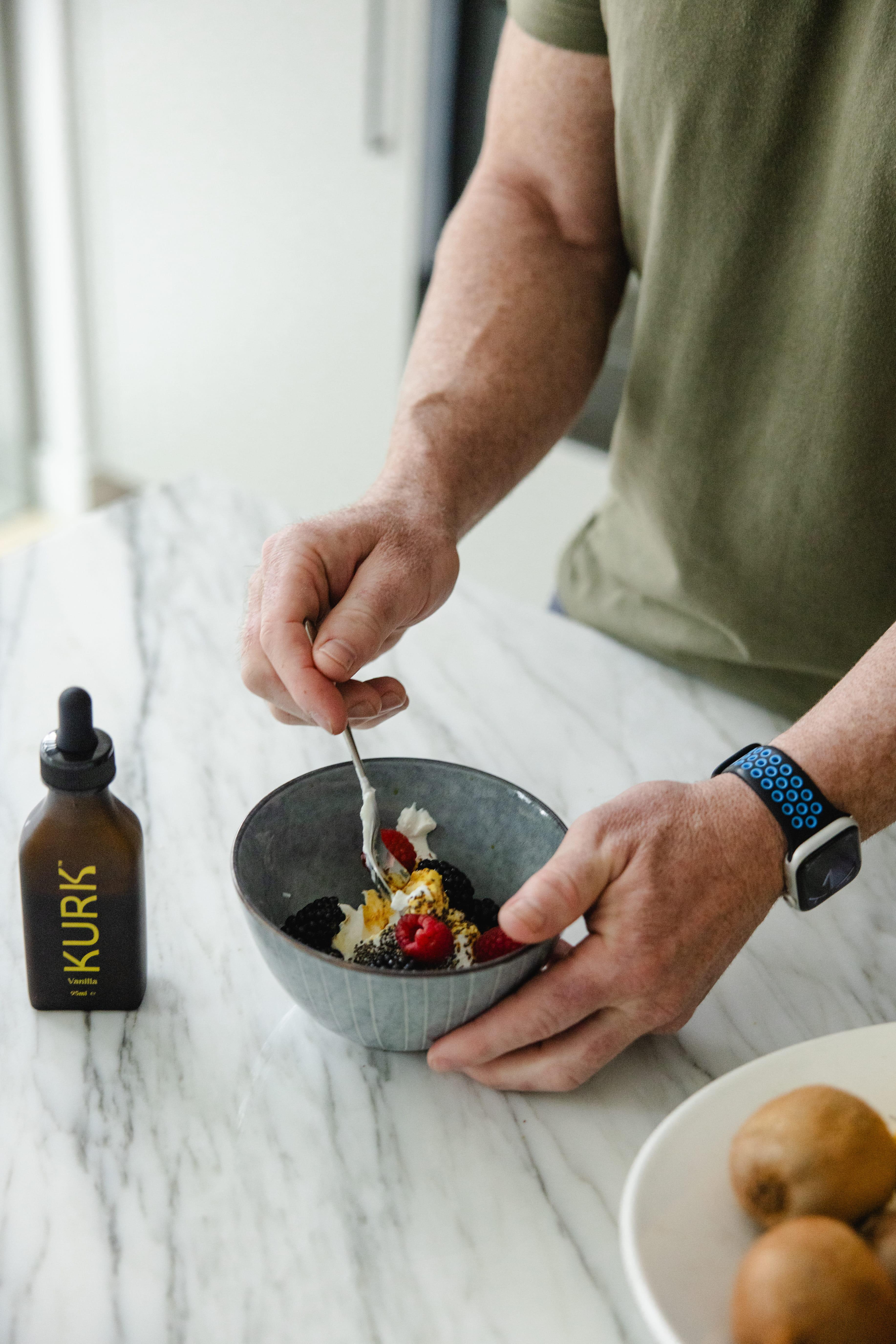
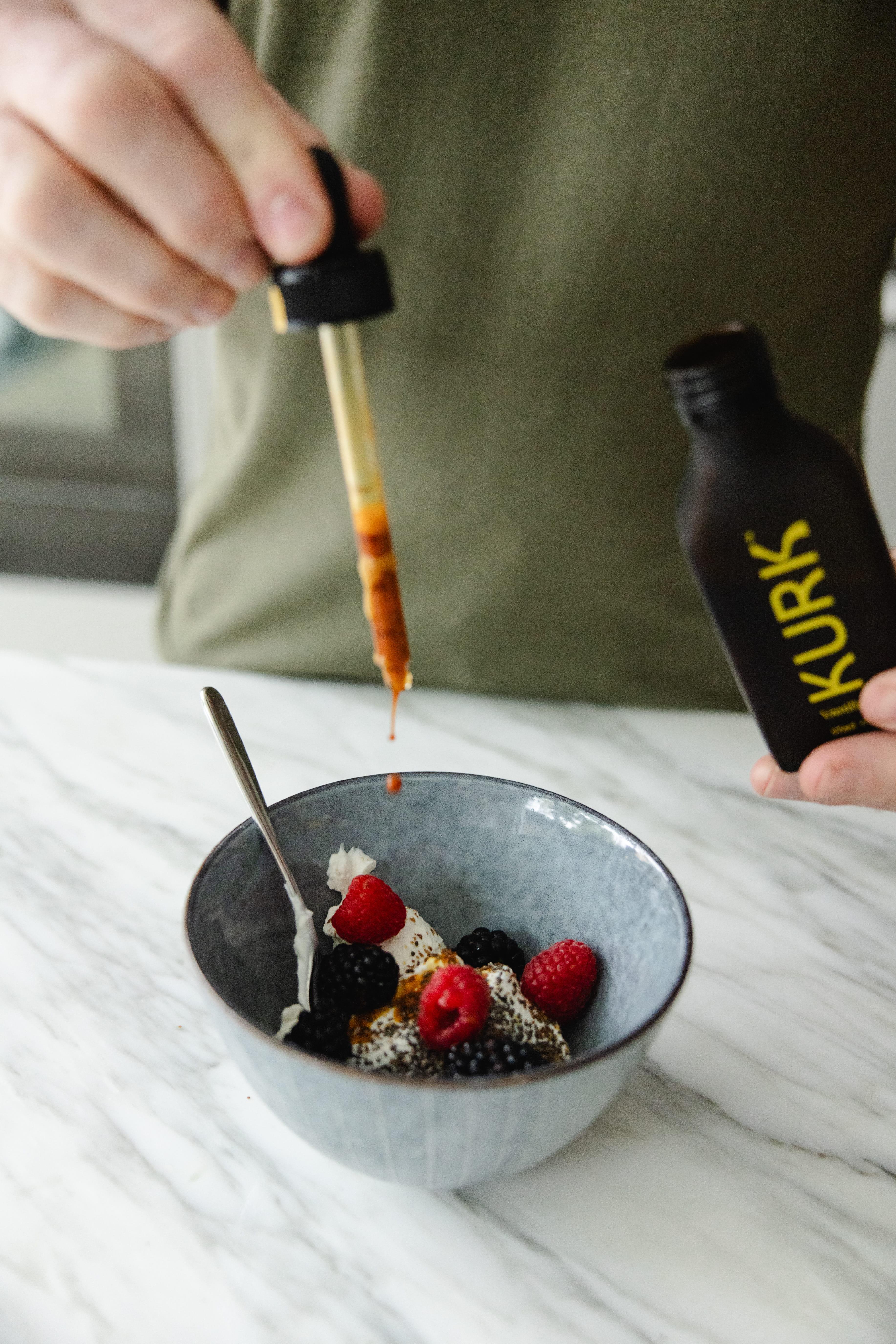
KURK's ongoing research partnership with Swansea Medical School has been focused on understanding exactly what happens to curcumin at the cellular level.
"What we needed to do was better understand the formation of the micelles, how they work, and how they affect actual cells in the body," Dr. Fivelman explains. "That's opened up a really exciting area of work, which will allow us to better understand the direct activity of our product."
That granular understanding is already feeding into product development. SuperKURK, KURK's next formulation, has shown far better availability, storage, and stability compared to the current product.
"The specific absorption at the cellular level will also allow us to come up with better formulations," says Dr. Fivelman. "That's what this research is allowing us to do: innovate, improve, and create products with even wider capability."
Trent Scanlen's perspective on all of this sits within a broader philosophy: quality over quick fix.
"The secret to ageing is having a management plan," says Trent. "With natural solutions. And understanding that staying stronger, keeping the body adapting, that's the goal."
Dr. Fivelman frames it similarly, invoking what he calls "joy-gevity" or “joy-span” rather than life-span: "It's really about ensuring that one lives not necessarily longer, longer is not always better, but with a better quality of life."
The supplement question, then, is a practical one. If you're going to take something every day, it ought to actually work. That means understanding what's in it, how it's formulated, and whether your body can absorb it in the first place.
"Some of these standard products, you might take a huge amount, and it goes straight through you with no health benefits at all. Your poo might be brightly coloured, but that's doing very little for your health."
When it comes to curcumin, the gap between a well-formulated product and a poorly formulated one isn't marginal. It's the difference between 1% absorption and close to nothing.
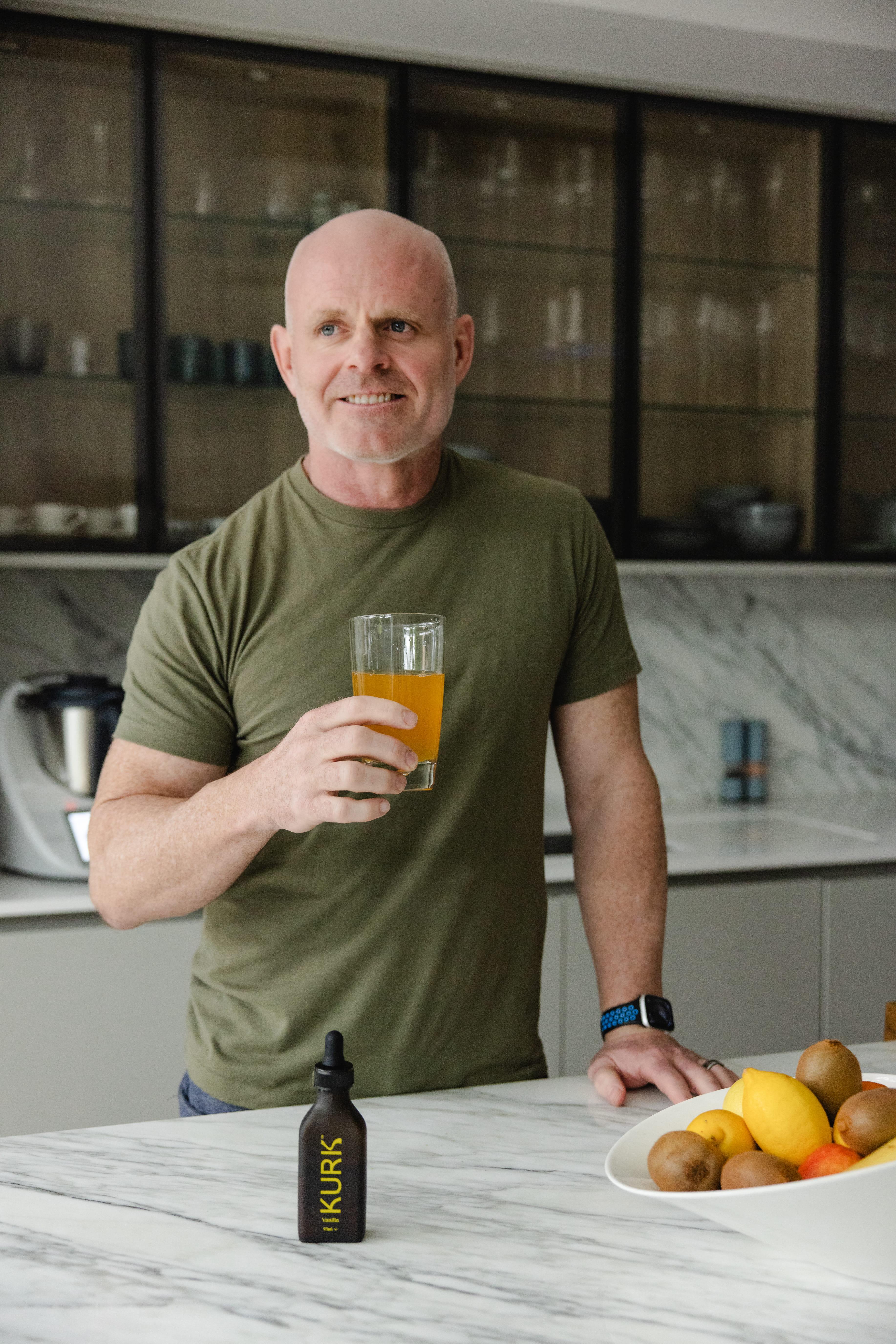
"The bioavailability of raw curcumin from turmeric is literally 1 to 3% getting into the body. A product like KURK massively increases the availability by around 185 times." Dr. Quinton Fivelman, R&D Director