We've moved
Kurk has a new home
We've upgraded to a smarter, faster experience at kurk.life. New customers can shop there now. Existing subscribers can log in here to manage their account.
We've moved
We've upgraded to a smarter, faster experience at kurk.life. New customers can shop there now. Existing subscribers can log in here to manage their account.
If you spent most of winter tired, sleeping badly and wondering when you'd feel like yourself again, that wasn't just you being dramatic. It was biology.
The UK gets as little as seven hours of daylight in December. By the spring equinox on 20 March, we're back to twelve. That shift doesn't just change the weather. It changes your sleep, your mood, your gut health and even the way your body produces essential vitamins. And the science behind it is remarkably clear.
So before the wellness industry tries to sell you a spring detox, here's what's actually happening inside your body right now, and how to work with it.
Your circadian rhythm, the internal clock that tells your body when to sleep, when to wake and when to release certain hormones, is driven primarily by light. During winter, shorter days and less natural light can throw this rhythm off, which is why so many of us feel tired at odd hours, struggle to wake up, or find our sleep quality drops between October and March.
As the days lengthen after the equinox, increased exposure to natural daylight helps bring your circadian rhythm back into alignment. A large-scale analysis of data from over 400,000 UK adults in the UK Biobank found that greater daytime light exposure was associated with fewer symptoms of insomnia, less daytime tiredness, and lower levels of low mood. The effect was consistent even when researchers accounted for how much sleep people were getting.
Morning light is particularly powerful. Sunlight in the first hour after waking suppresses melatonin (the hormone that makes you sleepy) and gives your brain a clear signal that the day has started. This sets off a chain reaction that improves alertness during the day and, perhaps counterintuitively, helps you sleep better at night.
You don't need to do anything complicated. A ten to twenty minute walk outside in the morning, or simply having your coffee by an open window rather than under artificial light, can make a genuine difference.

Here's something worth marking in your diary. From late March through to September, the sun in the UK is finally strong enough for your skin to produce vitamin D naturally. The NHS calls this period the "sunlight zone," and for most people it's the primary way to top up levels that have been declining all winter.
Vitamin D plays a role in bone health, muscle function and immune support. The NHS recommends that all adults consider taking a daily supplement of 10 micrograms during autumn and winter, when sunlight alone isn't sufficient. Once spring arrives, most people can maintain healthy levels through a combination of sensible sun exposure and a balanced diet, though some groups, including those who cover their skin, spend long periods indoors, or have darker skin, may benefit from supplementing year-round.
The practical advice is straightforward: around ten minutes of sunlight on bare skin (face, arms) a few times a week during spring and summer is enough for most people. You don't need to sunbathe, and you should always protect your skin before it has a chance to burn.
If you've read our piece on the gut brain connection, you'll know that your gut and brain are in constant conversation. What's less widely known is that seasonal changes can influence that relationship too.
Winter habits tend to work against gut health. We move less, sleep less consistently, eat differently, and experience more stress, all of which can affect the balance of bacteria in the microbiome. Research published in Scientific Reports found that psychological stress is associated with changes in gut bacteria composition, with higher stress linked to lower microbial diversity and reduced levels of health-supporting bacteria. Separately, studies have shown that poor sleep is associated with changes in microbiome diversity, and that diets lower in plant variety can reduce the range of beneficial bacteria in the gut.
Spring is a natural opportunity to gently shift those patterns. Not through a dramatic "detox" or restrictive reset, but through small, sustainable changes that your gut will genuinely respond to.
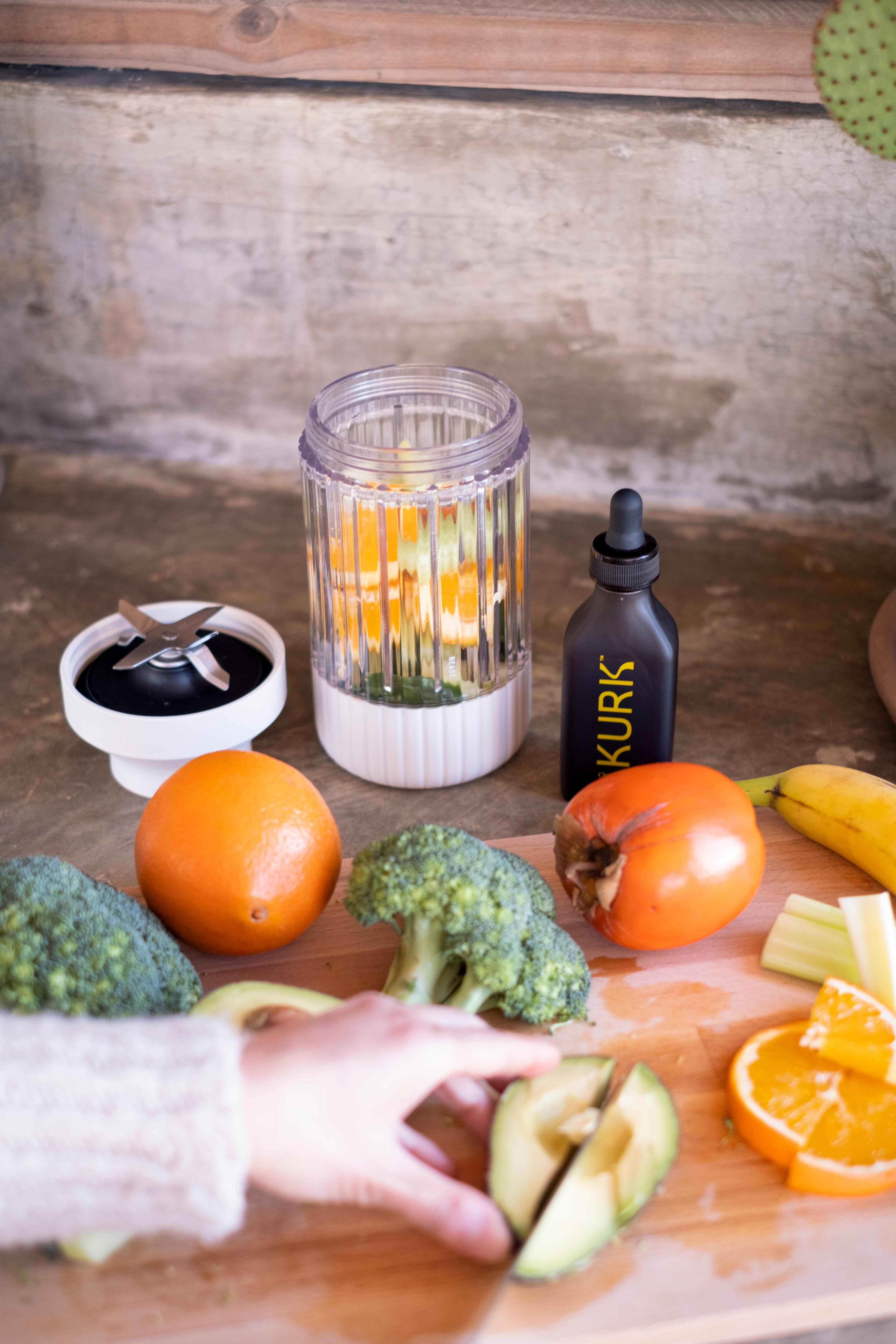
Eat more variety. As seasonal produce becomes more available, try adding a wider range of vegetables, fruits and herbs to your meals. Gut bacteria thrive on diversity. The more different plant foods you eat, the more diverse your microbiome tends to be.
Move outside. Physical activity supports gut health, and doing it outdoors gives you the added benefit of natural light for your circadian rhythm and vitamin D production. A brisk walk counts.
Prioritise sleep. Longer daylight hours naturally support better sleep patterns, but you can help the process along by keeping a consistent wake time and getting morning light exposure. Good sleep supports a healthy microbiome, and a healthy microbiome supports good sleep. It works both ways.
Include fermented foods. Yoghurt, kefir, sauerkraut and kimchi contain live bacteria that can contribute to microbiome diversity. They're not a cure-all, but they're a sensible addition to a varied diet.
We're deliberately not using the word detox here. Your liver and kidneys handle detoxification perfectly well without a juice cleanse or a supplement protocol.
What spring does offer is a genuine biological shift, more light, more warmth, more opportunity to be outside, that your body is already designed to respond to. The most effective thing you can do is work with that shift rather than against it. Small, consistent habits built over weeks will always outperform a dramatic two-week reset that you can't sustain.
If you take one thing from this, make it this: get outside in the morning. It's free, it takes ten minutes, and the science behind it is remarkably strong. Everything else, the diet, the movement, the sleep, tends to follow more easily when your body clock is properly set.
When is the spring equinox in 2026?
The spring equinox this year falls on Friday 20 March. It marks the point where day and night are roughly equal in length, and from here the days continue to get longer until the summer solstice in June.
How much sunlight do I need for vitamin D?
The NHS advises around ten minutes of sunlight on bare skin (such as your face and forearms) a few times a week during spring and summer. You don't need to sunbathe, and you should always apply sun protection before your skin has a chance to burn. Between October and March, most people in the UK can't produce vitamin D from sunlight and should consider a daily 10 microgram supplement.
Does gut health really change with the seasons?
The research suggests it can. Factors that commonly shift with the seasons, such as diet, physical activity, sleep patterns and stress levels, all influence the composition of gut bacteria. You're unlikely to notice a dramatic difference overnight, but the cumulative effect of winter habits versus spring habits can be meaningful over time.
What's the single most impactful thing I can do this spring?
Get morning light. A ten to twenty minute walk outside shortly after waking, or even sitting by an open window with natural light, helps reset your circadian rhythm, supports better sleep, improves mood and sets the foundation for everything else. It's simple, free, and backed by large-scale research.
Is a spring detox worth it?
Your body doesn't need a detox. Your liver and kidneys are designed to handle that. What your body does respond to is more natural light, better sleep, a more varied diet and regular movement. Those changes, done consistently, will do far more for your health than any short-term cleanse.
At KURK, we're drawn to the kind of science that actually helps people make better everyday decisions. The spring equinox isn't a marketing moment for us. It's a genuine turning point in the year when your biology is working in your favour, and we think that's worth talking about.
No dramatic overhauls. No miracle promises. Just the small, consistent things that add up to feeling genuinely well, for the long term.
Here's to being stronger for longer.
This article is for informational purposes only and is not intended as medical advice. Always consult your GP or healthcare provider for guidance on your personal health.