We've moved
Kurk has a new home
We've upgraded to a smarter, faster experience at kurk.life. New customers can shop there now. Existing subscribers can log in here to manage their account.
We've moved
We've upgraded to a smarter, faster experience at kurk.life. New customers can shop there now. Existing subscribers can log in here to manage their account.
We’re halfway through 2025, and the wellness world is—as ever—overflowing with bold claims, ancient remedies, and reinvented hacks. But which health trends are genuinely supported by science? And which are just viral distractions?
Here’s a breakdown of four of this year’s biggest wellness trends—and what the research actually says.
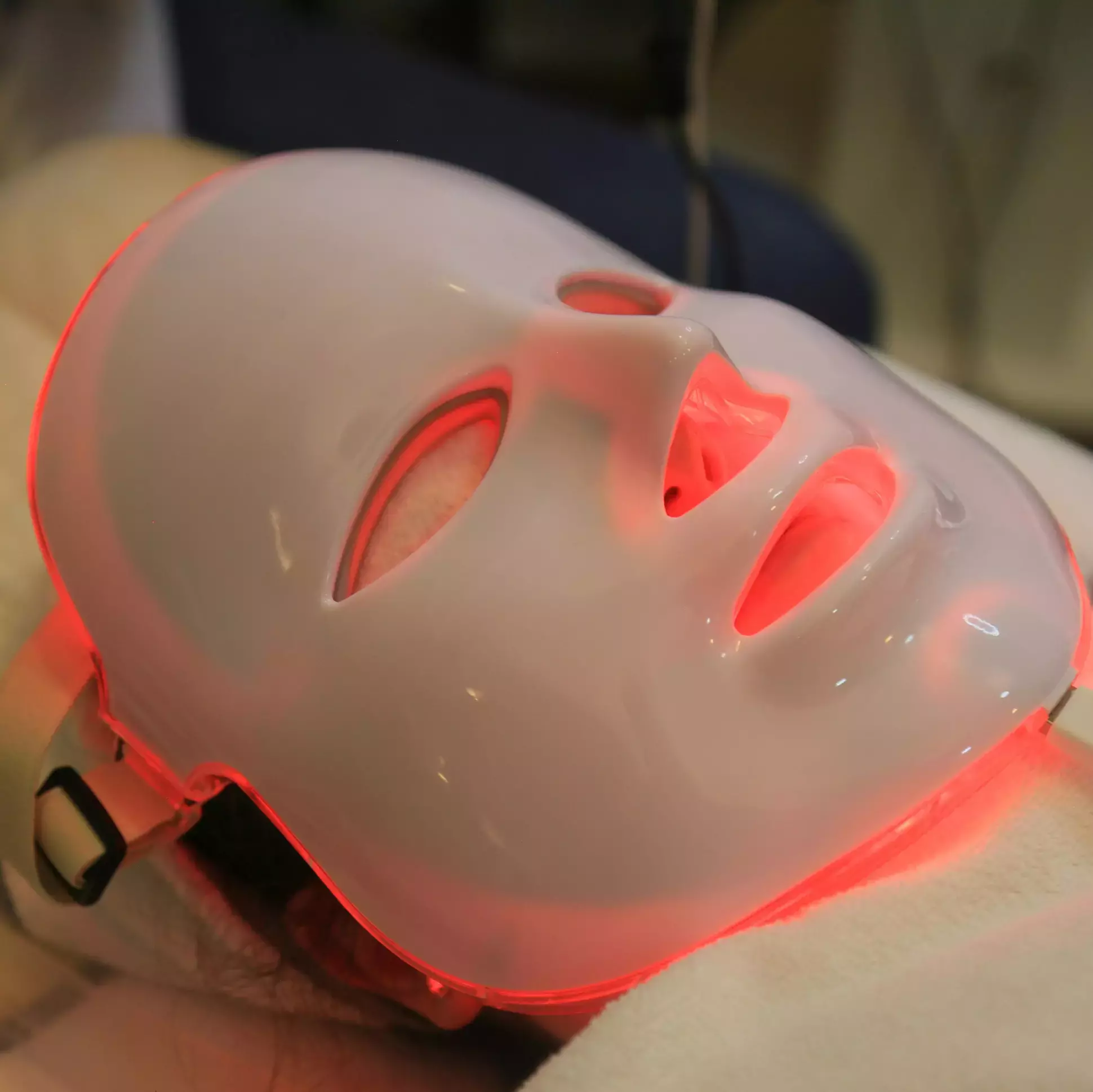
Red light therapy (also known as low-level light therapy or photobiomodulation) uses red and near-infrared wavelengths to support skin health, muscle recovery, and even mood.
What the science says: Early studies suggest it may help with inflammation, wound healing, and improving mitochondrial function. There’s some evidence for reduced muscle soreness and improved skin quality.
The caveat: Dosage and device quality vary, and most at-home options are underpowered. There’s potential—but results are modest and depend on consistent use.
Verdict: Supported by early science, but far from a miracle cure.
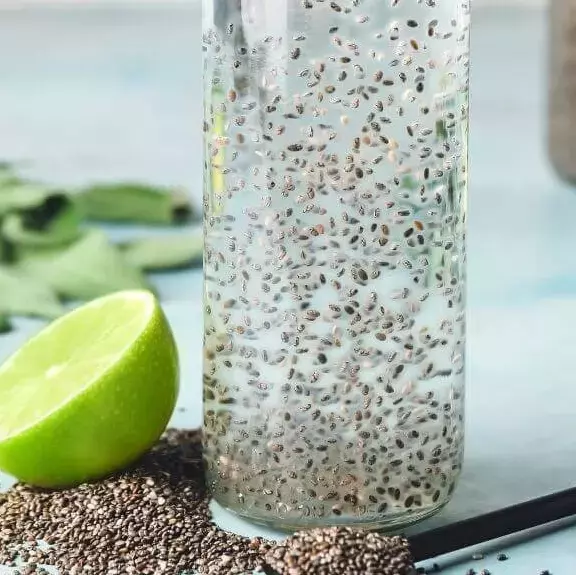
This mix of chia seeds, water, and lemon juice is being touted as a cure-all for hydration, cravings, and digestion.
What the science says: Chia seeds are high in fibre and plant-based omega-3s. Soaking them can help slow digestion and promote satiety, making it a potentially useful tool for appetite management.
The caveat: It won’t “flush toxins” or melt fat, despite what TikTok says.
Verdict: Nutrient-rich and harmless—but don’t expect transformative results.
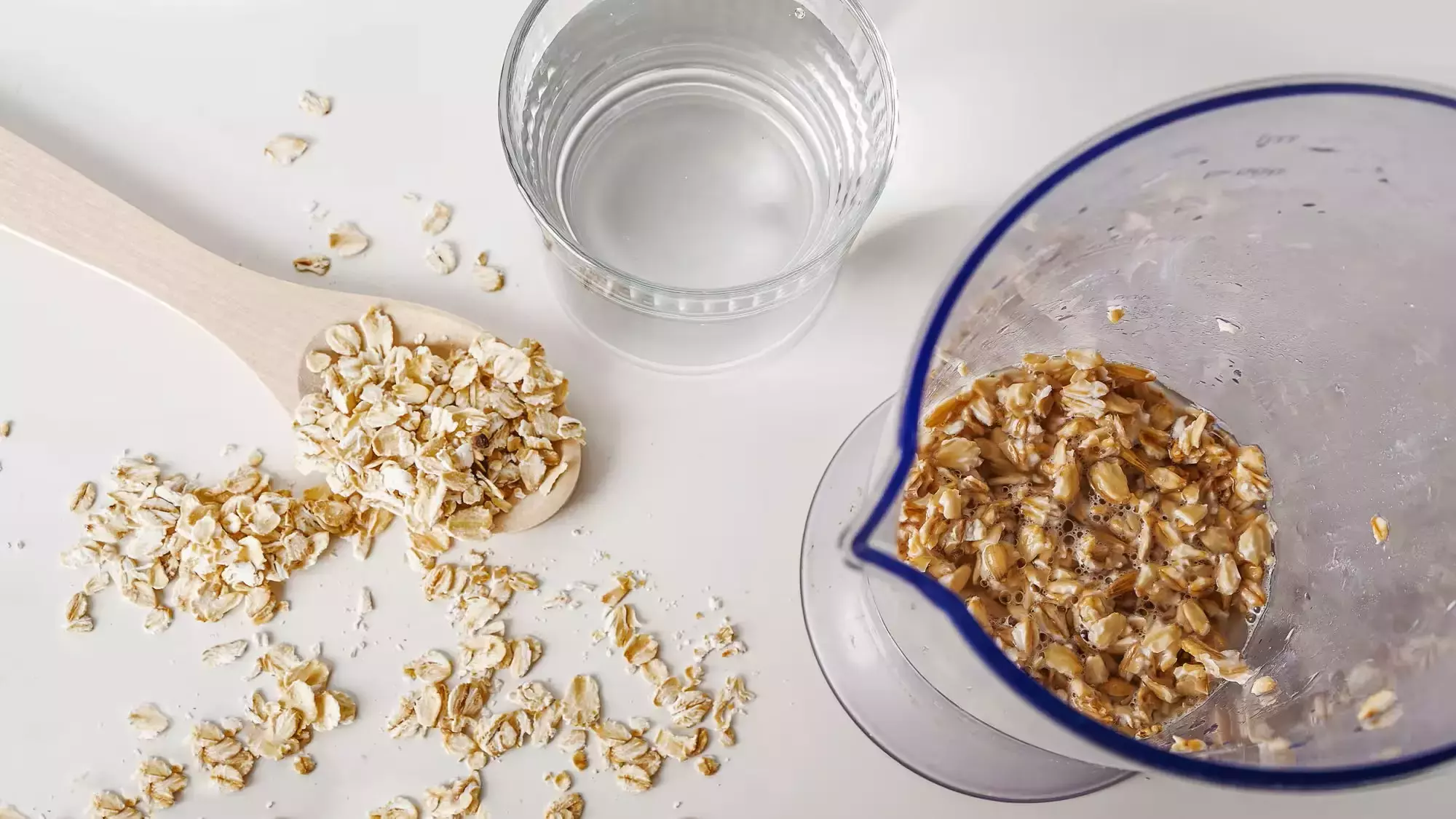
This trend involves blending oats, chia seeds, water and lemon into a thick drink to “mimic” the appetite-suppressing effects of GLP-1 drugs like Ozempic.
What the science says: Fibre slows digestion, regulates blood sugar, and promotes satiety. This shake can reduce snacking and improve blood sugar control as part of a balanced diet.
The caveat: It’s helpful, but it doesn’t come close to replicating pharmaceutical interventions. The name is misleading.
Verdict: A better strategy? Eat your oats with added fats, fibre and protein—not just water and hype.
Cold plunges and heat exposure are no longer niche. People are embracing them for mental clarity, inflammation control, and long-term health.
What the science says: Regular sauna use has strong backing, particularly in cardiovascular research. Cold exposure may support recovery, mood, and stress regulation. Alternating hot and cold can improve circulation and metabolic resilience.
The caveat: More is not always better, and those with heart conditions or extreme sensitivity should proceed with care.
Verdict: One of the most evidence-backed trends—especially when done safely and regularly.

Once associated only with weightlifting, creatine is gaining traction for its role in brain health, mental clarity, and even mood support.
What the science says: Creatine supports ATP production, which fuels both muscles and the brain. New research links it to improved memory, reduced mental fatigue, and neuroprotection—especially during aging or high stress.
The caveat: Not everyone needs it, and benefits depend on your baseline levels (e.g. vegetarians often benefit more).
Verdict: Well-researched, safe, and increasingly relevant outside the gym.
Not all health trends are created equal. Some are grounded in good science and ancient tradition. Others are more style than substance. A useful rule of thumb: support systems, not symptoms.
Whether you’re exploring red light, contrast therapy, or simply increasing your fibre, the basics still matter—nutrition, movement, sleep, and recovery. Get those right, and the rest becomes optional.