We've moved
Kurk has a new home
We've upgraded to a smarter, faster experience at kurk.life. New customers can shop there now. Existing subscribers can log in here to manage their account.
We've moved
We've upgraded to a smarter, faster experience at kurk.life. New customers can shop there now. Existing subscribers can log in here to manage their account.
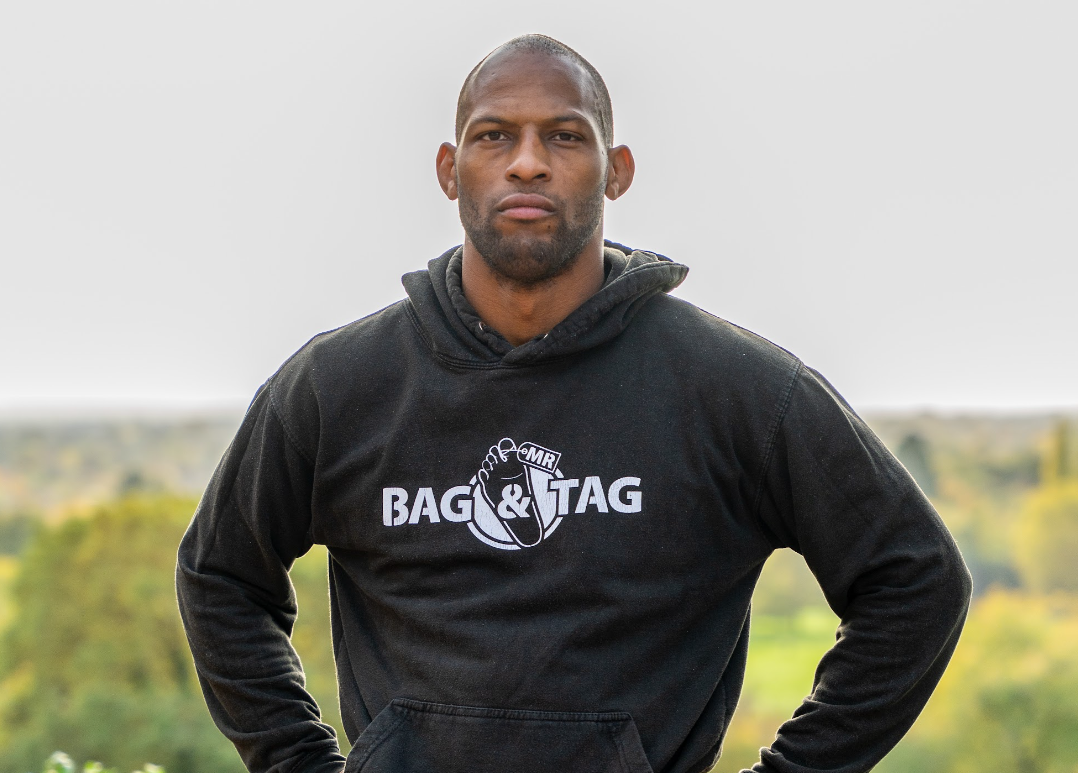
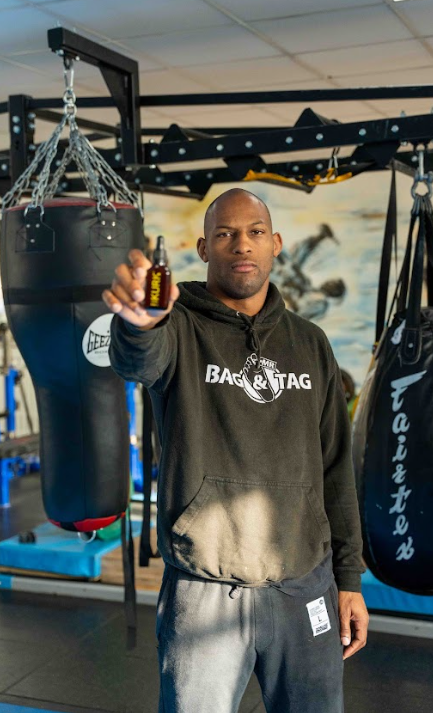
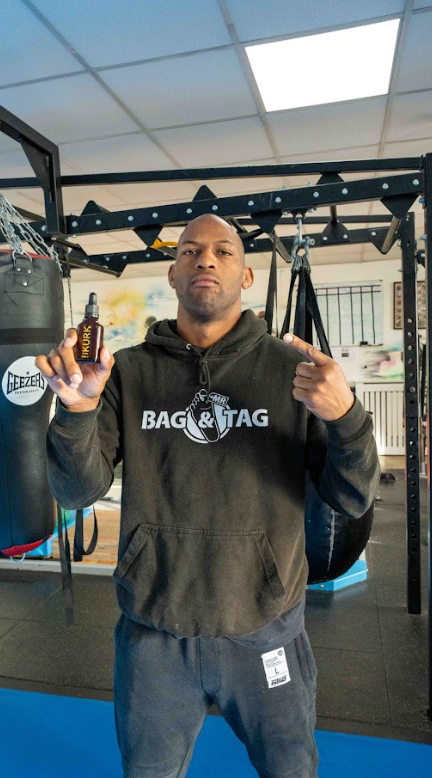
What does it take to prepare for a professional MMA fight? For FSC Welterweight Champion Nathan Jones, fight camp is five weeks of intense training, strategic recovery, and staying mentally sharp while balancing family life.
Ahead of Fightstar 33 at the O2 in London, Nathan is sharing a behind-the-scenes look at his full training camp through a weekly YouTube vlog. In this exclusive Q&A, he shares his current training routine, how his recovery strategy has evolved, and why tools like KURK Sport are now essential to his performance and longevity.
Right now, I’m six weeks out from the fight and fully in camp. I train 10 to 12 sessions a week over six days.
My sessions are split between wrestling, grappling, striking, MMA-specific drills, strength and conditioning, cardio, and recovery-focused work like prehab and mobility. Mornings are usually the most intense with technique drills and live rounds like sparring. Afternoons or evenings are more technical, focusing on skill development. Sundays are reserved for active recovery—mobility, stretching, or some light cardio.
The variation keeps me sharp without burning out.
It’s changed massively. Early on, I had a "push through everything" mindset. But with experience (and age), I’ve learned that recovery is part of training.
Now I prioritise mobility, hydration, nutrition, and tools like KURK that help me bounce back faster. Sleep is a huge one too. I’ve got two young kids, so it's not always perfect, but I do my best to protect that recovery window.
The science behind recovery has evolved, and it’s helped me train smarter—not just harder.
Ideally, I’d have a post-training meal prepped, but most days I’m shattered and eating on the fly. I aim for good carbs and protein straight after training.
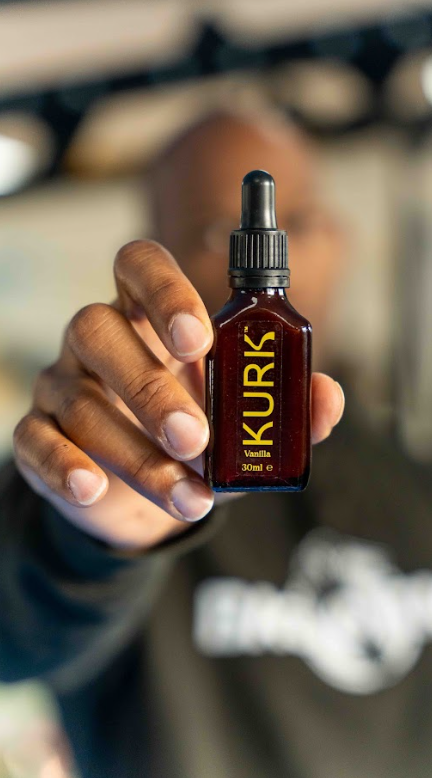
Rehydration is my first priority, and I use KURK Sport right after sessions to kickstart recovery and support hydration. If I’ve got a second session, I’ll usually include some rehab or mobility—band work, stretching, movement flow.
It’s the small, consistent habits that make the biggest difference over the course of a camp.
I started using KURK about eight months ago after my coach, Lawrence Fenton from Rolls and Rehab, recommended it. I was dealing with persistent DOMS and joint stiffness during high-intensity phases.
I’d used massage guns and relied on ibuprofen in the past, but KURK felt different. The results spoke for themselves, and now it’s a daily part of my routine. It’s simple, effective, and easy to stick to.
Not anymore, if I can help it. Earlier in my career, I took ibuprofen all the time just to get through sessions, but that’s not a sustainable solution.
Now I focus on natural ways to reduce inflammation—sleep, hydration, nutrition, and science-backed tools like KURK that actually support the recovery process instead of just masking symptoms.
Six weeks out, I’m keeping it clean and consistent. I allow myself one cheat day a week to keep things mentally sustainable. At this stage, I’m not too concerned about weight, so I still have a few biscuits or chips here and there.
From around three weeks out, I start to tighten up—smaller portions, lower-calorie alternatives, and smarter swaps to make the weight cut smoother without losing energy.
Nothing serious at the moment, but I’ve got some tightness in my lower back and neck. I’ve dealt with trapped nerves before, so I stay proactive with mobility and rehab.
Every camp has its challenges. Last time it was my knee, the one before that was my shoulder. There’s always something, which is why recovery and injury prevention are priorities.
Regular prehab, three to four times a week, keeps me moving well. KURK helps manage inflammation and keeps everything feeling stable.
Physically, both are demanding, but MMA is more all-encompassing. There’s striking, grappling, cage work, and conditioning. BJJ is more technical and focused on grappling with less overall impact.
Mentally, MMA feels raw—more pressure and more chaos. BJJ is more about precision and timing. It’s intense, but the body doesn’t get quite as battered.
Both need structure and discipline. I enjoy switching focus and sharpening different skill sets.
Structure and support. Having a routine—training, recovery, family time—keeps me grounded.
But the biggest motivator is my family. They’re my reason why. Checking in with myself regularly helps block out the noise and stay clear on my goals. Mental focus is just as important as physical conditioning in a camp like this.
Anyone who trains regularly. You don’t need to be a professional athlete. If you’re hitting the gym, running, doing fitness classes or sports, your body is under load.
KURK helps you recover faster, stay consistent, and avoid injury. It’s not about quick fixes—it’s about longevity and staying active without setbacks.
Nathan is documenting the full 6-week fight prep journey in a weekly vlog series. From training and recovery to mindset and motivation, you can catch every behind-the-scenes update on YouTube.
Watch now: Nathan Jones Fight Camp Series