We've moved
Kurk has a new home
We've upgraded to a smarter, faster experience at kurk.life. New customers can shop there now. Existing subscribers can log in here to manage their account.
We've moved
We've upgraded to a smarter, faster experience at kurk.life. New customers can shop there now. Existing subscribers can log in here to manage their account.
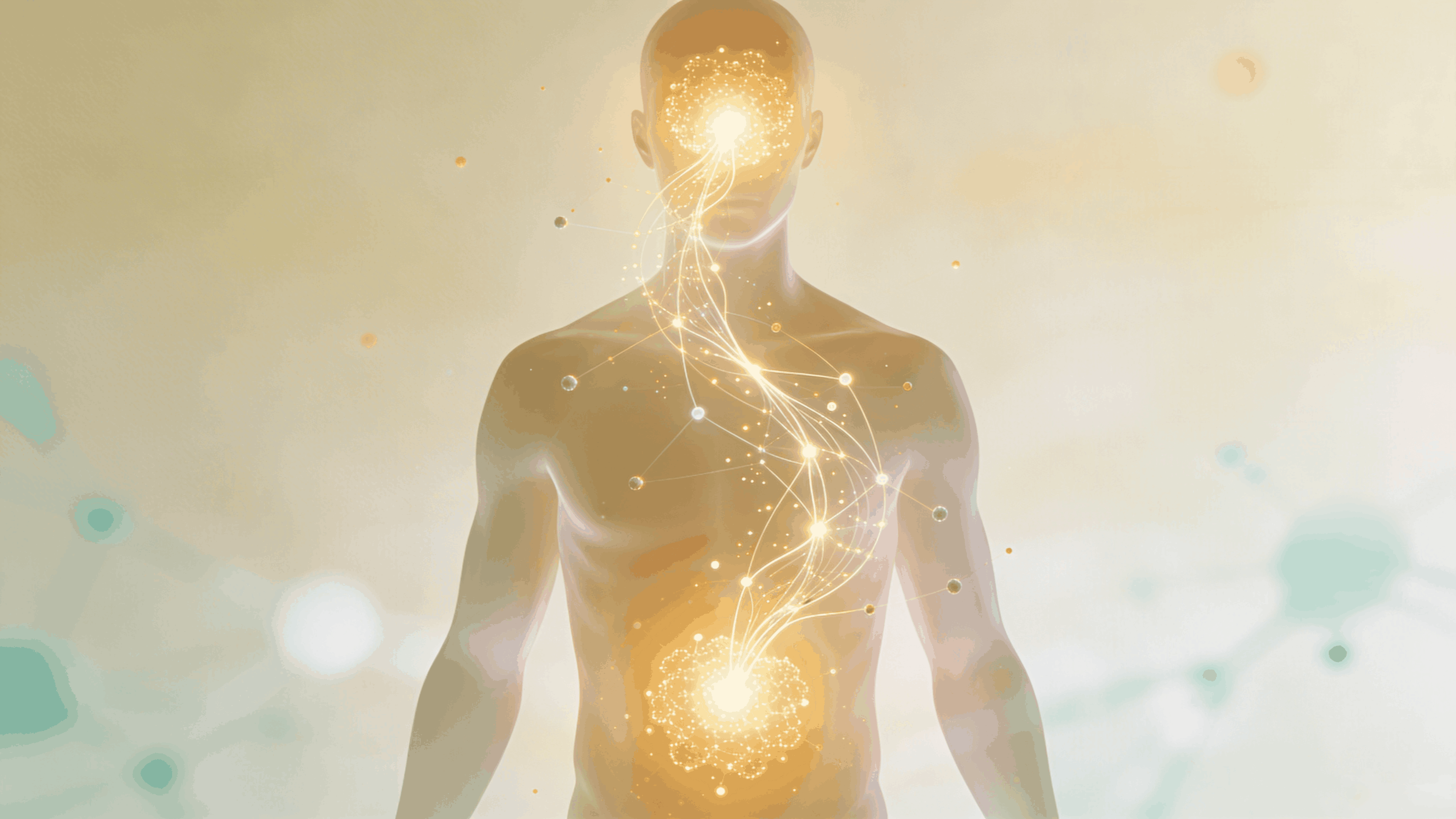
You've probably heard someone say "trust your gut." Turns out, there's more science behind that phrase than most people realise.
Your gut and your brain are in constant conversation. Not metaphorically. There's a physical communication network connecting the two, known as the gut brain connection, and researchers are only just beginning to understand how deeply it affects everything from your mood to your memory, your sleep to your stress levels.
It's a topic that attracts a lot of noise online, so for Brain Awareness Week, we wanted to cut through the hype and share what the science actually tells us, what's still being figured out, and why it matters for anyone who wants to look after their long-term health.
This is the part that surprises most people. Your digestive tract contains between 200 and 600 million nerve cells, forming what scientists call the enteric nervous system. That's more neurons than in your entire spinal cord, which is why researchers often refer to the gut as the "second brain."
Unlike any other organ, parts of the gut can function independently from the brain. It manages digestion, controls the movement of food through your system, and communicates with immune cells, all without waiting for instructions from above. Scientists at the Francis Crick Institute have shown that this network of neurons runs the entire length of the gut, from oesophagus to colon, and that it's far more sophisticated than was previously understood.
The enteric nervous system doesn't just manage digestion though. It also produces neurotransmitters, the chemical messengers most people associate purely with the brain. That includes serotonin, dopamine and GABA, three of the most important chemicals involved in regulating mood, sleep and stress.
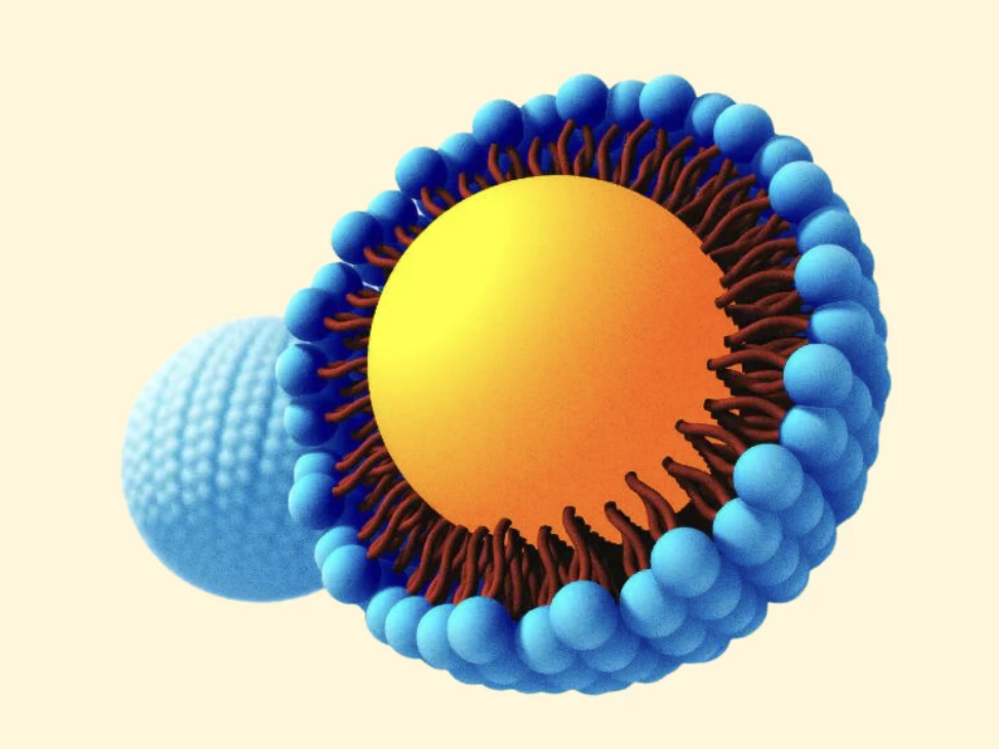

Here's where it gets really interesting. Roughly 90% of your body's serotonin is produced not in your brain, but in your gut, by specialised cells called enterochromaffin cells. Serotonin is best known for its role in mood regulation, but in the gut it plays an equally important part in digestion, helping to control how food moves through your intestines and how your body responds to what you eat.
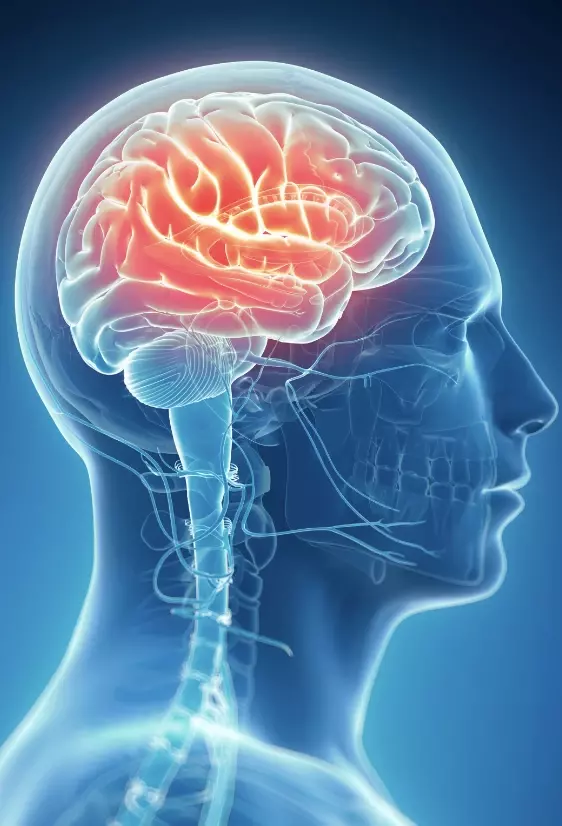
Gut serotonin doesn't cross directly into the brain. The blood-brain barrier prevents that. But it does influence the brain indirectly, primarily through the vagus nerve, the longest nerve in the body and the main communication highway between your gut and your brain. When serotonin activates nerve fibres in the gut wall, signals travel up the vagus nerve to the brainstem, where they're processed and relayed to regions involved in mood, stress responses and cognition.
This is why digestive discomfort so often comes with changes in mood, and why stress and anxiety frequently show up as stomach problems. The gut brain connection runs both ways.
The vagus nerve deserves a section of its own because it's central to the entire gut brain axis. It leaves the brain at the base of the skull and travels all the way down through the neck, chest and abdomen, connecting to the heart, lungs and digestive organs along the way. Around 80 to 90% of its fibres are sensory, meaning they carry information from the body to the brain rather than the other way round.
Think of it as a constant status update. Your gut is telling your brain how things are going, whether it's dealing with something it doesn't like, whether the microbiome is balanced, whether inflammation is present. The brain processes all of this and adjusts your stress response, immune function and even your emotional state accordingly.
Research published in Molecular Psychiatry has shown that this pathway is so important that when the vagus nerve is disrupted in animal models, the brain's ability to receive gut-derived signals is significantly impaired, with measurable effects on mood-related behaviour. The gut brain connection isn't a wellness buzzword. It's a biological reality backed by serious research.
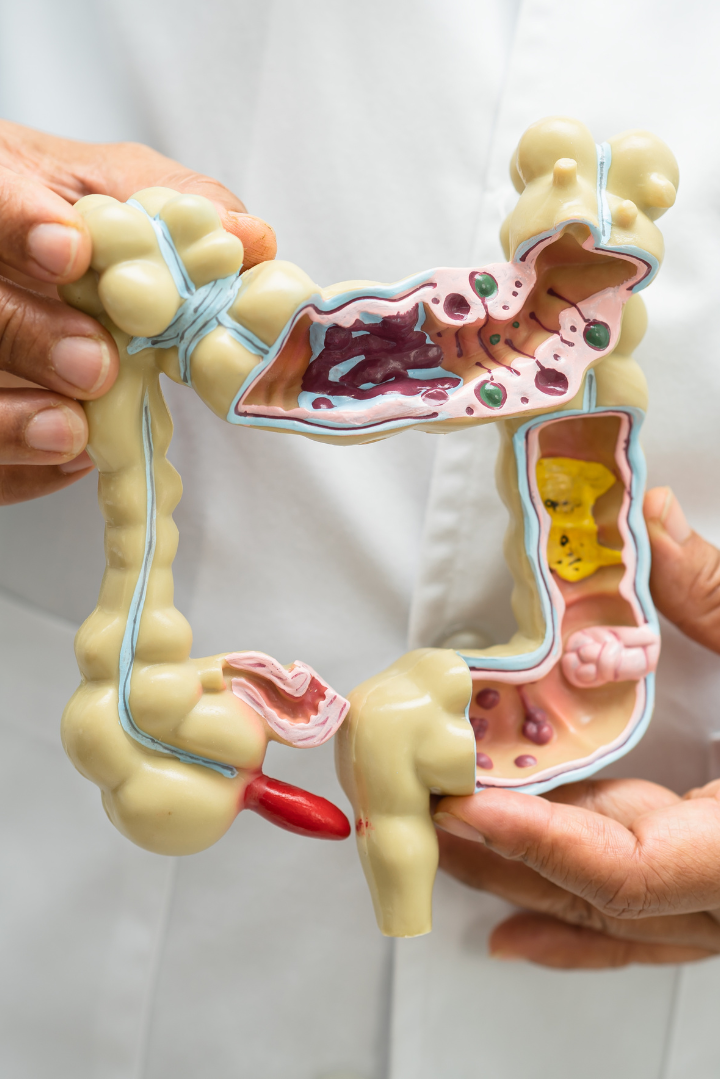
Your gut is home to trillions of microorganisms, collectively known as the microbiome. These bacteria, fungi and other organisms don't just help with digestion. They actively participate in gut brain communication.
Gut bacteria produce a wide range of compounds that influence the nervous system. Short-chain fatty acids, produced when bacteria ferment dietary fibre, can encourage the gut to produce more serotonin and interact with vagus nerve endings to send signals to the brain. Other bacterial metabolites influence immune function, which in turn affects brain health.
The UK is investing significantly in understanding this. In 2025, the Biotechnology and Biological Sciences Research Council (BBSRC) funded the UK Gut-Immunology-Brain Axis Network+, a £4.5 million, four-year research initiative led by the University of Southampton, with partners including the University of Cambridge, the Quadram Institute and King's College London. It's the first network of its kind in the UK, bringing together experts from across research disciplines to investigate how lifestyle factors including diet, sleep and stress influence communication along the gut-immune-brain axis.
The network's lead researcher, Professor Jonathan Swann of the University of Southampton, has noted that the gut and brain are intimately connected, and that there's growing evidence the health of your gut and the microbes that inhabit it can influence mood and cognitive ability. But scientists don't yet fully understand the precise mechanisms, which is exactly what this initiative aims to uncover.
The science is still evolving, and anyone claiming to have all the answers is getting ahead of the evidence. But there are some practical things that the research consistently supports when it comes to looking after your gut brain connection.
A diverse, fibre-rich diet feeds beneficial gut bacteria. Research suggests that dietary patterns like the Mediterranean diet, which emphasises vegetables, fruit, whole grains, legumes and healthy fats, are associated with a healthier microbiome. The more variety in your diet, the more diverse your gut bacteria tend to be, and diversity is generally considered a marker of good gut health. The NHS recommends 30g of fibre per day for adults, but most people in the UK eat only around 18 to 20g. Good sources include vegetables, fruit, whole grains, legumes, nuts and seeds.
Stress affects your gut directly. Because the gut brain axis is bidirectional, chronic stress doesn't just make you feel anxious. It can genuinely alter your gut environment, changing the composition of your microbiome and increasing intestinal permeability. Managing stress through movement, sleep and whatever works for you isn't just good for your head. It's good for your gut too.
Sleep and gut health are linked. Poor sleep has been associated with changes in gut bacteria composition, and an unhealthy microbiome may in turn disrupt sleep patterns. Prioritising consistent, good-quality sleep supports both sides of the equation.
Fermented foods are worth including. Yoghurt, kefir, sauerkraut, kimchi and kombucha contain live bacteria that can contribute to microbiome diversity. They're not a magic fix, but they're a sensible addition to a varied diet.

It's important to be honest about what we don't yet know. While the connections between the gut, the immune system and the brain are well established, the precise biological mechanisms are still being mapped. Most of the research into specific gut bacteria and their effects on brain function has been conducted in animal models, and translating those findings to humans is complicated.
The UK Gut-Immunology-Brain Axis Network+ was set up specifically to address this, using advanced methods including AI analysis of large datasets and less invasive ways to study the gut brain connection in people rather than mice. The goal is to move from observing associations to understanding exactly how and why these connections work, so that future health recommendations are built on solid evidence.
That's the approach we respect: follow the science, be transparent about what's proven and what's promising, and don't overclaim.
Is the gut really a "second brain"?
In a functional sense, yes. The enteric nervous system in your gut contains between 200 and 600 million neurons and can operate independently from the central nervous system. It doesn't "think" the way your brain does, but it processes information, produces neurotransmitters and communicates with the brain via the vagus nerve. The term "second brain" is a simplification, but it captures something real about the complexity of this system.
Does gut health affect mental health?
There's growing evidence of a link. A genome-wide association study based on data from around 450,000 individuals found significant genetic overlap between gastrointestinal disorders and psychiatric conditions, suggesting a shared biological basis. However, the relationship is complex and researchers are still working out exactly how changes in the gut translate to changes in mood or cognition. It's a promising area of research, not a settled one.
Can I improve my gut health through diet alone?
Diet is one of the most powerful tools available. Eating a wide variety of plant-based foods, including plenty of fibre, feeds the beneficial bacteria in your gut. Fermented foods can also contribute. But gut health is influenced by many factors including stress, sleep, physical activity and medication use. A holistic approach tends to produce the best results.
What is the vagus nerve and why does it matter?
The vagus nerve is the longest cranial nerve in the body, running from the brainstem to the abdomen. It's the primary communication channel between the gut and the brain, carrying signals in both directions. When your gut produces serotonin or detects changes in its environment, much of that information reaches the brain via the vagus nerve. It's central to how your body regulates stress, inflammation and immune responses.
How much fibre should I be eating for gut health?
The NHS recommends 30g of fibre per day for adults, but the average intake in the UK is only around 18 to 20g. Good sources include vegetables, fruit, whole grains, legumes, nuts and seeds. Increasing fibre gradually and drinking plenty of water helps your gut adjust without discomfort.
How can I improve my gut brain connection?
The research points to a few consistent themes: eat a diverse, fibre-rich diet with plenty of plants; include fermented foods like yoghurt and kefir; manage stress through regular physical activity, sleep and relaxation; and avoid unnecessary disruption to your microbiome from things like excessive alcohol or overuse of antibiotics. Small, consistent habits tend to be more effective than dramatic overhauls.
At KURK, we're endlessly curious about the science of how the body works. The gut brain axis is one of the most exciting areas of research in human health right now, and it's moving quickly. The more we understand about how what we eat, how we live and how we manage stress affects the conversation between our gut and our brain, the better equipped we all are to make genuinely informed choices.
We'll keep following the research and sharing what we learn. Because understanding your body isn't a trend. It's the foundation of looking after yourself well, for the long term.
Here's to being stronger for longer.
This article is for informational purposes only and is not intended as medical advice. Always consult your GP or healthcare provider for guidance on your personal health.
Francis Crick Institute, "Understanding our complex gut brain" (2025)
UKRI / BBSRC, UK Gut-Immunology-Brain Axis Network+, University of Southampton (2025)
Molecular Psychiatry (Nature), vagus nerve and gut-brain signalling research (2023)
International Journal of Molecular Sciences, serotonin and the gut-brain axis (2025)
NHS, dietary fibre guidelines for adults