We've moved
Kurk has a new home
We've upgraded to a smarter, faster experience at kurk.life. New customers can shop there now. Existing subscribers can log in here to manage their account.
We've moved
We've upgraded to a smarter, faster experience at kurk.life. New customers can shop there now. Existing subscribers can log in here to manage their account.
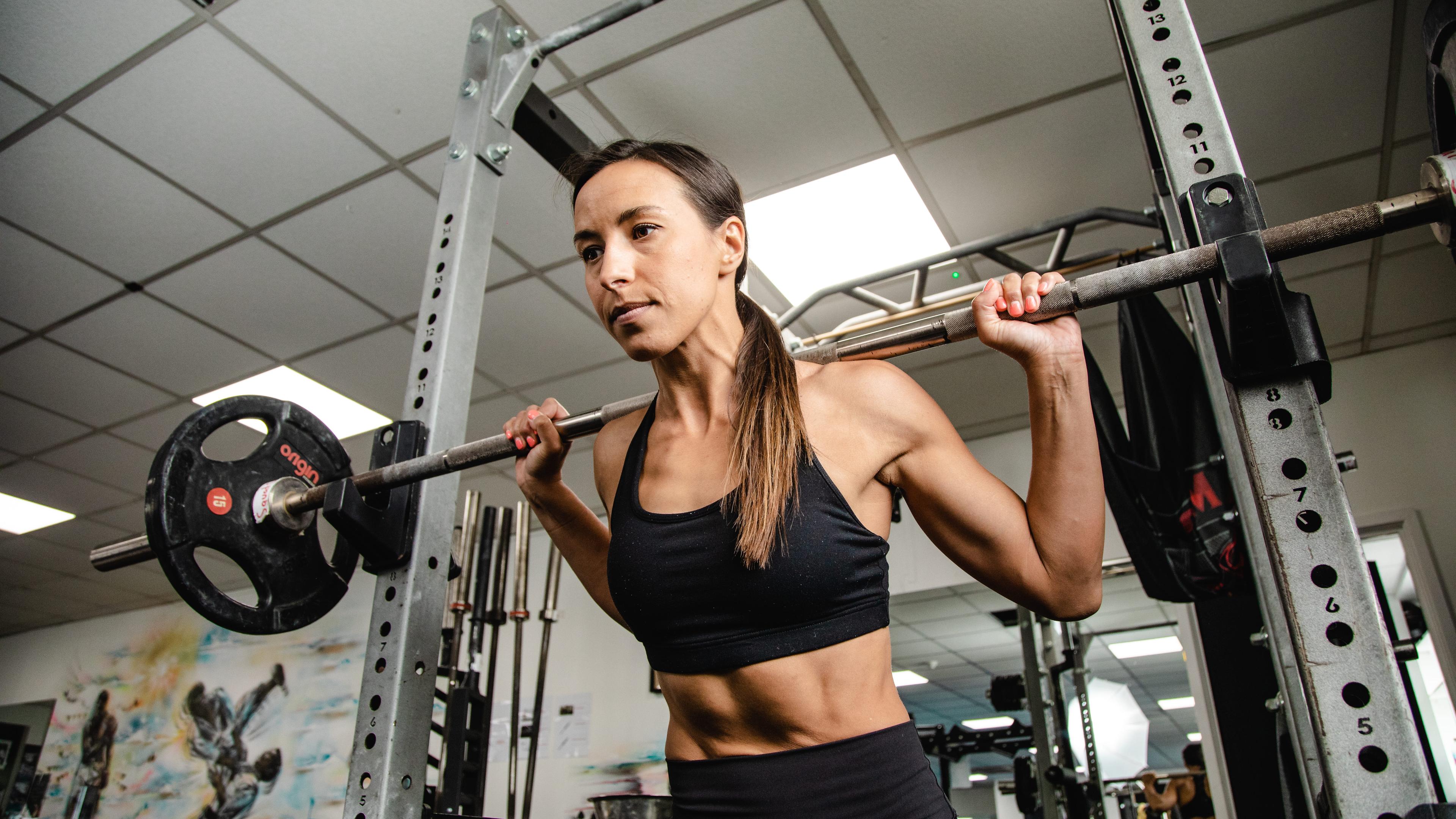
Here's something that might change how you think about your next workout.
Scientists have just discovered that a single exercise session can reshape the molecular structure of your immune cells within one hour. Not over weeks. Not after months of training. Within 60 minutes.
The study, published in Nature Communications this month, is the deepest look into exercise immunology ever conducted. And the headline finding? It's not about how long you train. It's about how you train.
Let's break down what this means for you.
A team from TU Dortmund University in Germany analysed over 6,000 proteins in human blood immune cells. That's an extraordinary level of detail.
They had participants complete two types of workout, carefully matched so both involved the same total effort and duration. The only difference was intensity.
One group did high-intensity interval training: short bursts of hard effort with recovery periods. The other did steady-state cardio at a moderate pace.
The results were striking. Despite identical workloads, high-intensity exercise triggered significantly greater changes in immune cell proteins. Same time. Same total effort. Different molecular outcome.
Your immune cells didn't just move differently after exercise. They changed on the inside.
Within an hour of finishing their workout, participants showed measurable shifts in proteins related to immune cell activation, pathogen recognition, and cellular energy production. These weren't small fluctuations. The researchers described them as "profound alterations."
Here's what's particularly interesting: both exercise types mobilised the same immune cells into the bloodstream. The difference was what happened inside those cells. Intensity appears to flip switches that moderate exercise doesn't reach.
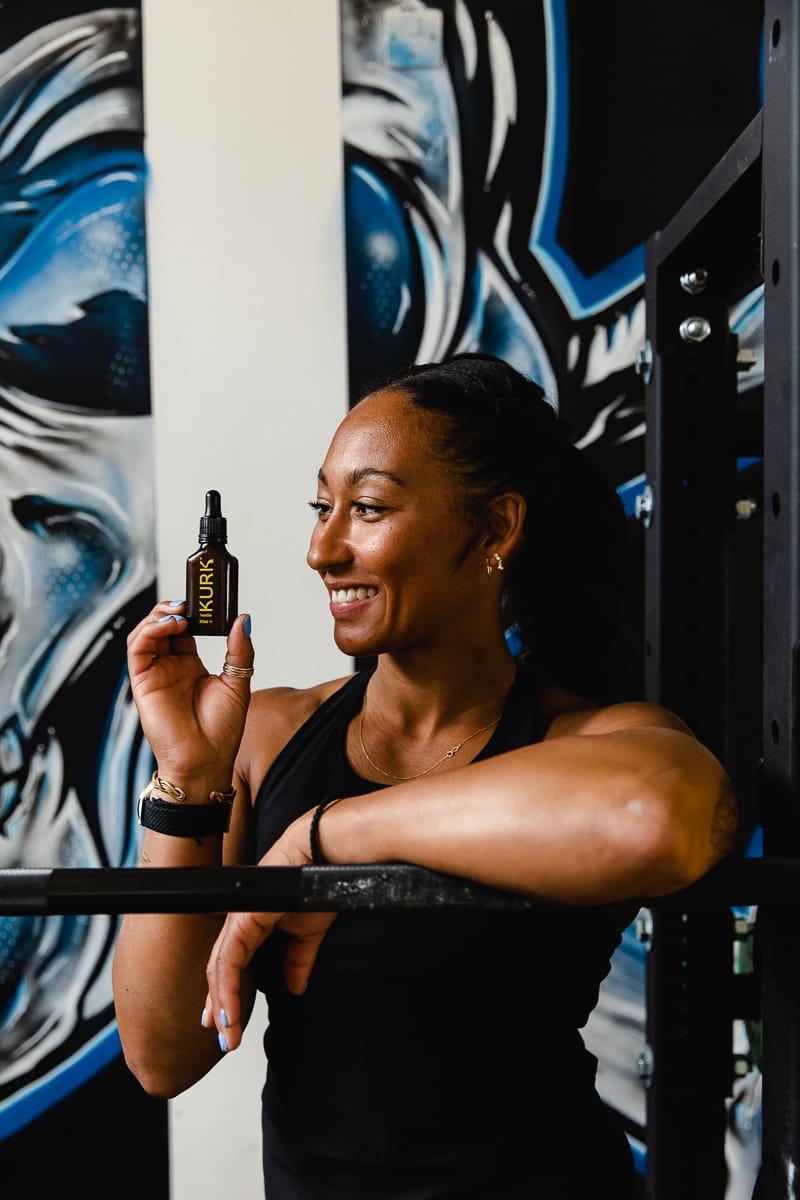
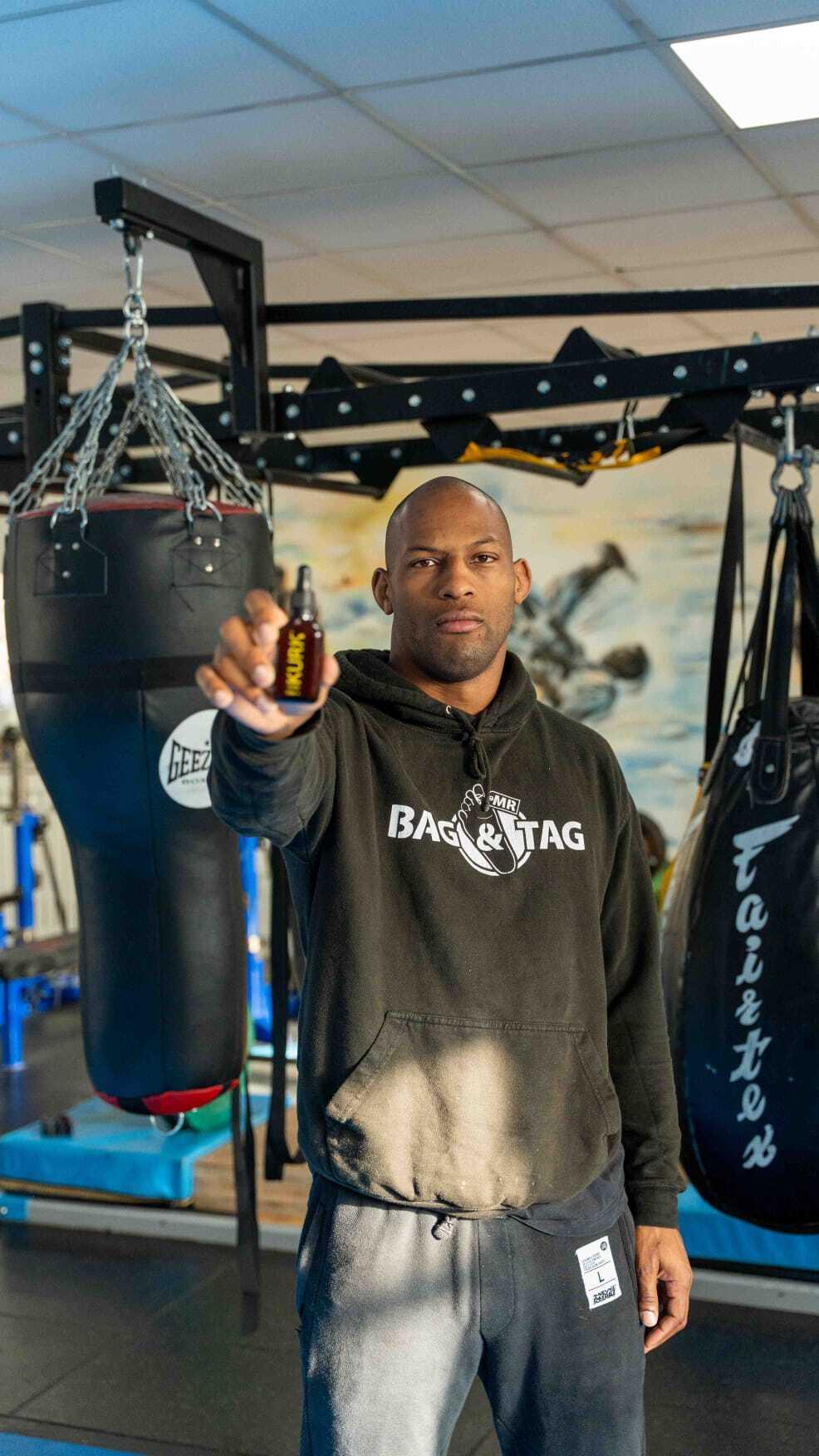
One pathway stood out in the findings: NAD+ metabolism.
NAD+ is sometimes called the master regulator of cellular energy. It's essential for converting food into fuel, repairing DNA damage, and managing stress responses. The study found that exercise, particularly high-intensity exercise, boosted NAD+ metabolism specifically in immune cells.
This is among the first evidence showing this effect in immune cells rather than muscle tissue. It opens fascinating questions about how training supports long-term health at the cellular level.
Perhaps the most intriguing finding was the discovery of an "immunoproteomic signature" that predicts fitness.
Put simply: the researchers found protein patterns in immune cells that correlate with how fit someone is. Your immune system appears to carry a molecular memory of your training history.
Cardiorespiratory fitness is one of the strongest predictors of longevity. If immune cell proteins can predict fitness levels, they might eventually become useful markers for health optimisation.
Not at all. The WHO's 2020 guidelines already emphasised that exercise intensity matters for health. This research explains the biology behind that recommendation.
If you're already active, consider adding brief higher-intensity efforts to your routine. You don't need to overhaul everything. Even short intervals appear to trigger distinct molecular benefits.
If you're newer to exercise, remember that "high intensity" is relative. What matters is occasionally pushing beyond your comfortable baseline. Your threshold rises as fitness improves.
And if moderate exercise is what works for your body and schedule? That's still brilliant. The research validates both approaches. They simply work through different mechanisms.
This study reinforces something we think about a lot at KURK: the how often matters more than the how much.
Two people can do the same workout, but intensity shapes the adaptive response. Two people can take the same supplement, but absorption determines what actually reaches their cells.
It's why we built KURK around micellar technology. Standard curcumin faces well-documented absorption challenges. Most of what you swallow never makes it to your bloodstream. Our plant-derived approach addresses this, ensuring what you take gets where it needs to go.
Same philosophy the researchers uncovered: when you optimise delivery, you transform the outcome.
The research team has made their complete dataset publicly available, which is great for the scientific community. You can explore it through an interactive web application from TU Dortmund's Sports Medicine Research Group.
For now, the takeaway is clear. Exercise reshapes your immune cells at the molecular level, and intensity amplifies that effect. How you move matters as much as whether you move.
Something to think about before your next session.