We've moved
Kurk has a new home
We've upgraded to a smarter, faster experience at kurk.life. New customers can shop there now. Existing subscribers can log in here to manage their account.
We've moved
We've upgraded to a smarter, faster experience at kurk.life. New customers can shop there now. Existing subscribers can log in here to manage their account.
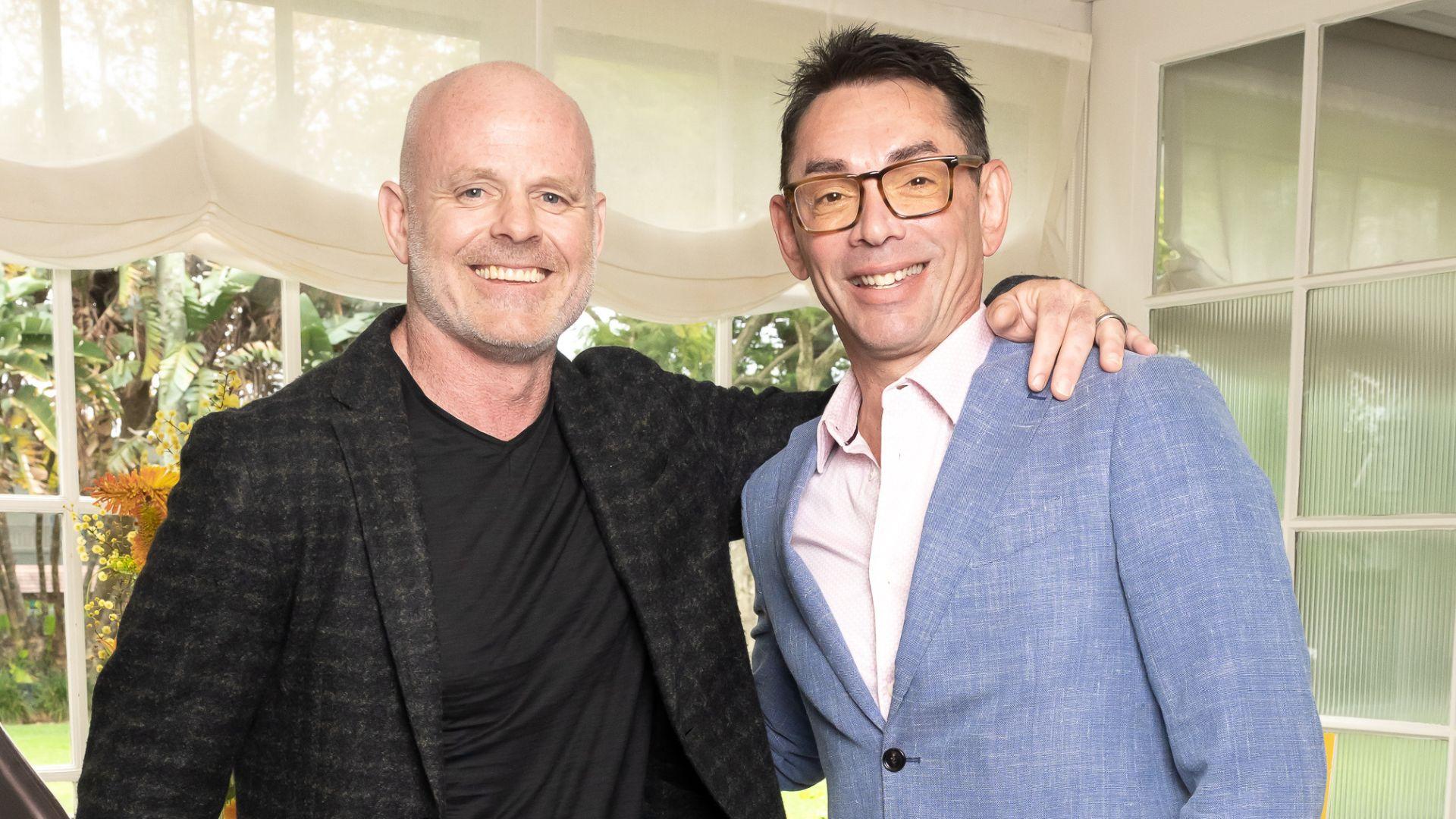
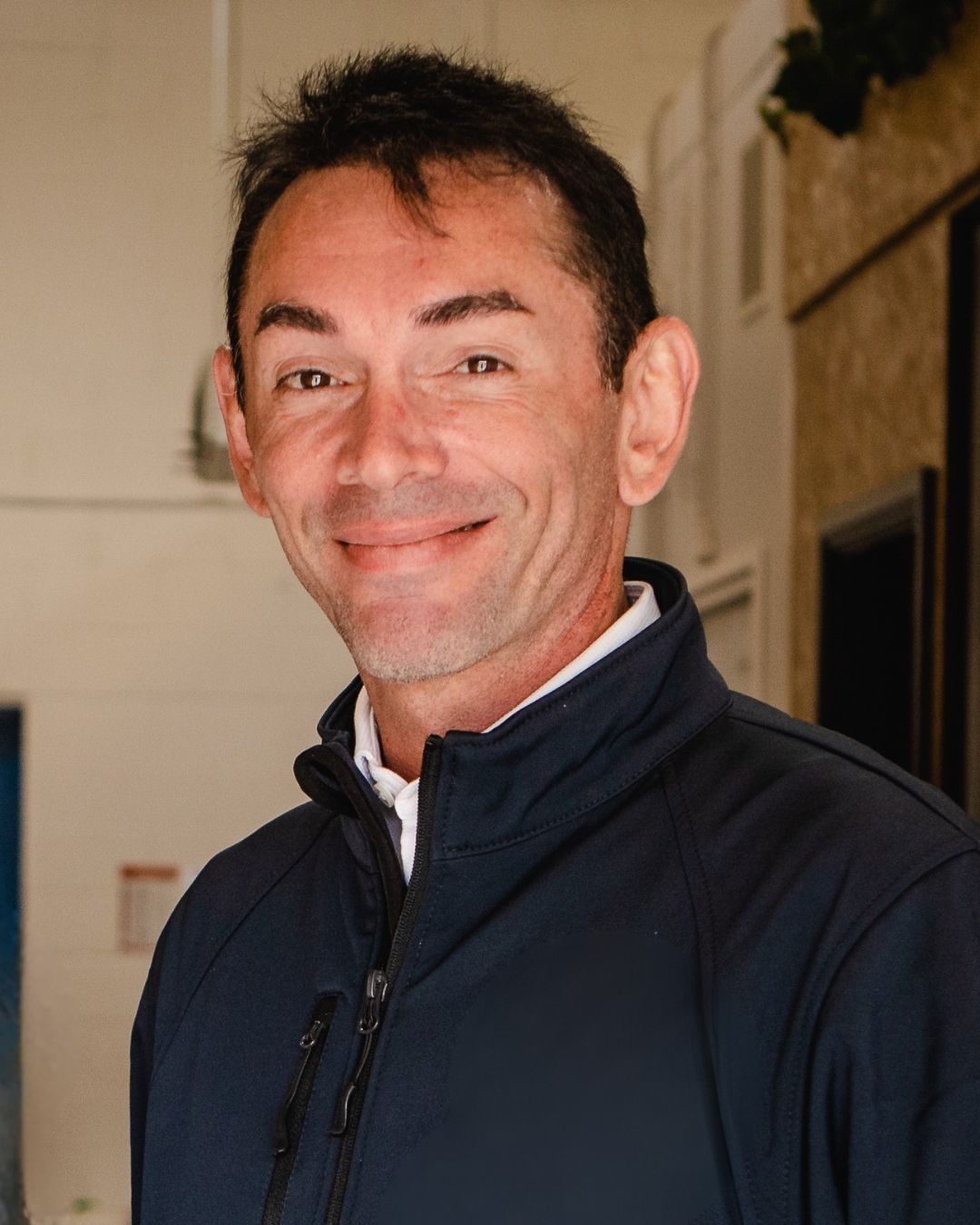
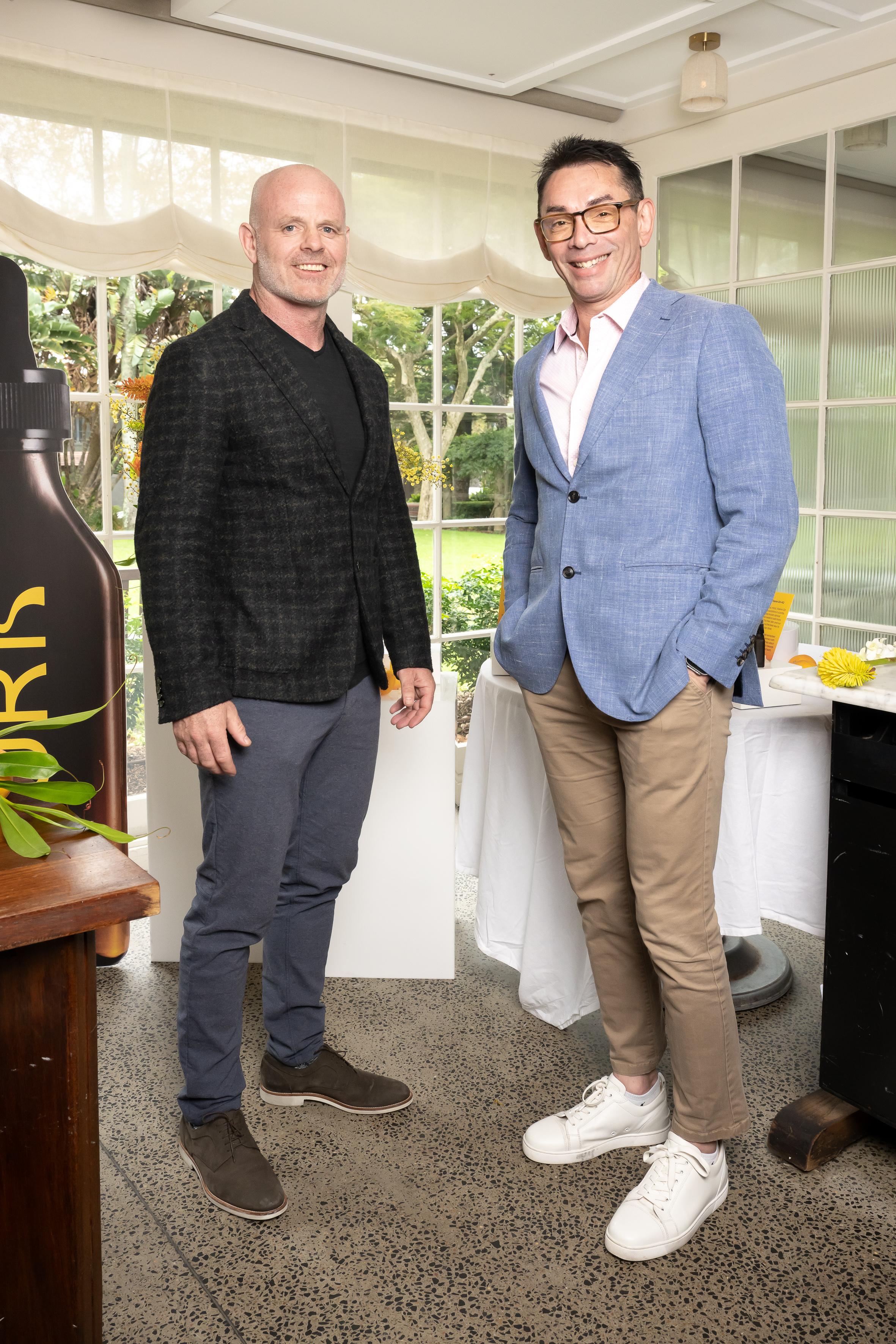
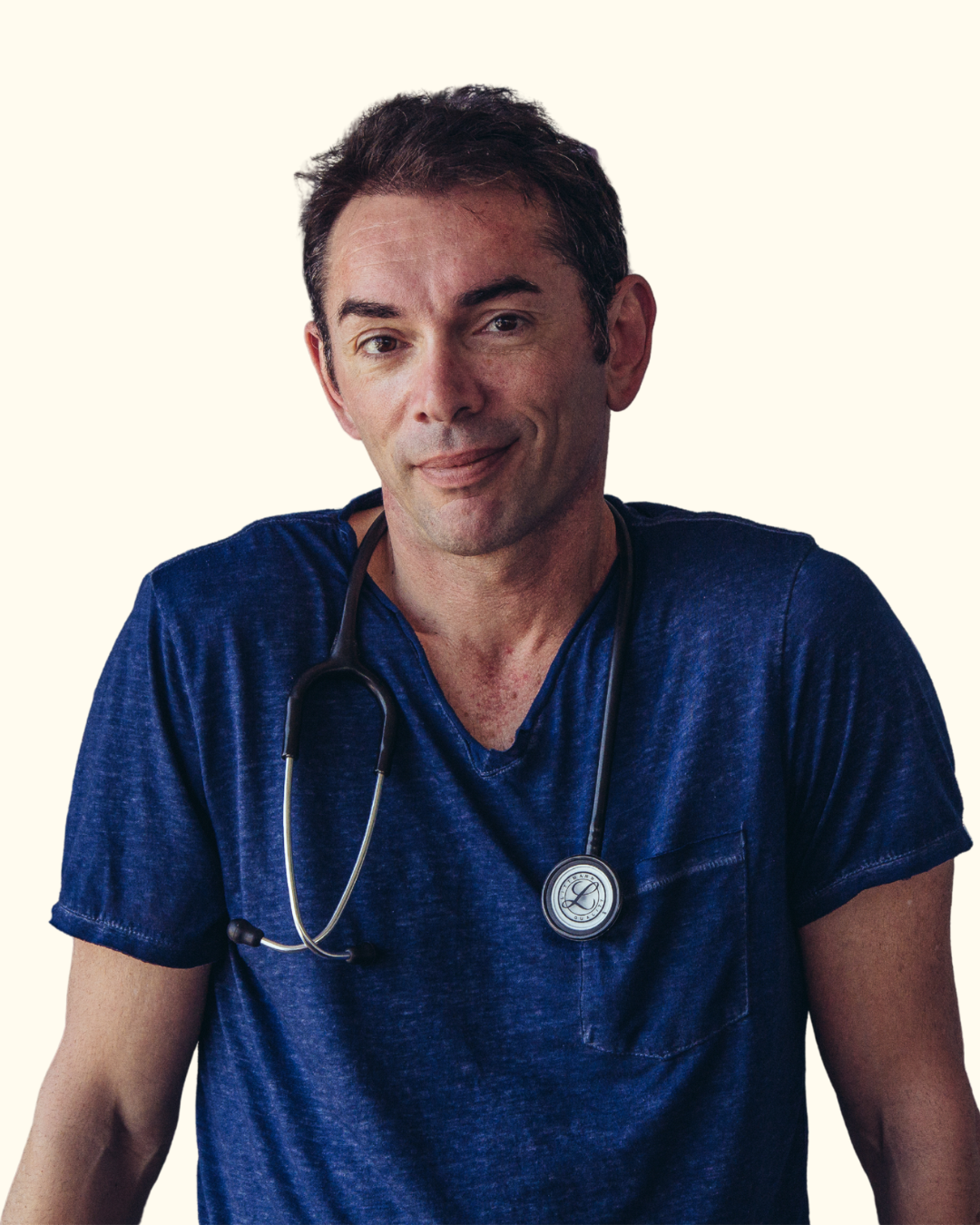
By Dr Harrison Weisinger, KURK Co-founder and Chief Scientific Officer
At 35, while working as a hospital resident, I received news that changed my perspective on everything: a cancer diagnosis. That moment felt like being hit with a mental sledgehammer. I remember thinking very clearly: I don't want to die at 35.
I share this not to alarm you, but because it fundamentally reshaped how I think about the years ahead. Most of us spend our lives focused on the wrong question. We ask "how long will I live?" when we should be asking "how long will I live well?"
That distinction has a name: healthspan. And understanding it might be the most valuable shift in thinking you make this year.
In the UK, life expectancy hovers around 81 years for men and 84 for women. But here's what those figures don't capture: how many of those years are spent feeling genuinely well.
Lifespan is simply how long you live. Healthspan is how long you live independently, actively, and with genuine quality of life. The gap between the two represents years that many of us accept as inevitable decline.
But what if we could narrow that gap?
If you could live an active, fulfilling life until 82 and pass at 83, that's a profoundly different experience from reaching 84 but spending the final years with significantly reduced independence. The goal isn't necessarily to live longer. It's to live better for longer.
Genetics and luck play significant roles—we don't get to choose them. But lifestyle choices still matter enormously: nutrition, sleep quality, stress management, and physical activity.
The challenge is that our healthcare systems aren't typically designed for proactive approaches. They're built to respond when something goes wrong, not to help us optimise how we feel day to day. People often need to take ownership of this themselves.
One finding that surprises many people: grip strength is one of the strongest predictors of longevity in older adults. Not because hand strength itself determines outcomes, but because it reflects overall muscular health and physical resilience.
Maintaining functional strength through regular movement, staying active, and preserving lean body mass pays dividends that compound over decades. This doesn't mean becoming a bodybuilder. It means making physical activity a non-negotiable part of life.
At KURK, we believe in taking a long-term view. Our focus has always been on quality—in our ingredients, our processes, and our approach.
We developed our plant-derived micellar technology because we believe that if you're going to invest in quality ingredients, your body should actually be able to absorb them. It's a simple principle, but one that guides everything we do.
We're not about quick fixes. We're about supporting people who want to invest in themselves for the long term.
If there's one lesson I've learned from both my medical training and my own journey, it's that perfection is the enemy of progress. The goal isn't to overhaul your life overnight. It's to do something each day. Momentum matters. Even the feeling of control is powerful.
Prioritise sleep as a foundation. Incorporate movement that builds and maintains strength. Manage stress actively rather than hoping it resolves itself. Approach nutrition as fuel for the years ahead rather than short-term goals.
Take responsibility where you can. Accept imperfection. And always begin again.
Medicine doesn't heal as much as we like to think. Often, we're supporting the body's own remarkable capabilities. The wisest doctors understand this.
This January, rather than asking how to live longer, consider asking how to live better for longer. The difference between healthspan and lifespan isn't just semantics. It's the difference between surviving and thriving.
Gratitude is essential—without it, happiness is very difficult to achieve. And those odds of living well? They're worth improving.