We've moved
Kurk has a new home
We've upgraded to a smarter, faster experience at kurk.life. New customers can shop there now. Existing subscribers can log in here to manage their account.
We've moved
We've upgraded to a smarter, faster experience at kurk.life. New customers can shop there now. Existing subscribers can log in here to manage their account.
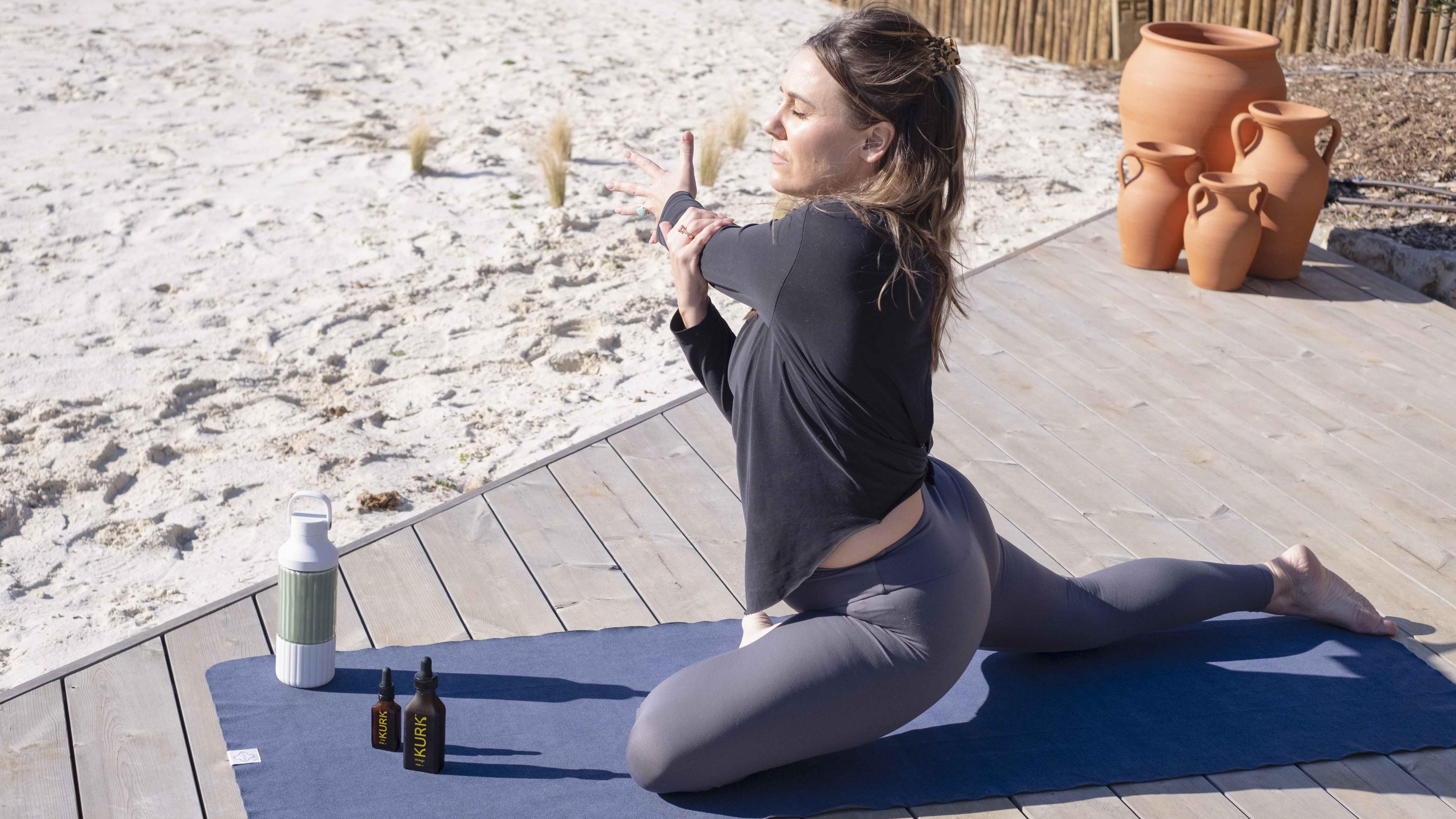
February is Heart Health Month. Which means you'll see no shortage of advice about protecting your ticker—some of it useful, much of it noise.
The problem isn't a lack of information. It's knowing what actually moves the needle versus what just sounds good on a wellness blog.
So let's cut through it. Here are five daily habits with genuine evidence behind them. No gimmicks. No expensive interventions. Just things you can start doing today.
Sleep isn't just about feeling rested. It's when your cardiovascular system does essential maintenance work.
The American Heart Association now includes sleep in their "Life's Essential 8" checklist for cardiovascular health—alongside diet, exercise, and not smoking [1]. That's how seriously researchers take it.
A 2017 meta-analysis of 43 studies found a U-shaped relationship between sleep duration and mortality: both sleeping less than seven hours and more than eight hours were associated with greater risk of death from all causes [2]. The sweet spot appears to be seven to nine hours for most adults.
But it's not just duration. Consistency matters too. A study in the Journal of the American College of Cardiology found that people with the most irregular sleep patterns had more than double the risk of developing cardiovascular disease compared to those with consistent sleep schedules [3].
Go to bed and wake up at roughly the same time, even on weekends. Yes, even on weekends. Your heart doesn't know it's Saturday.
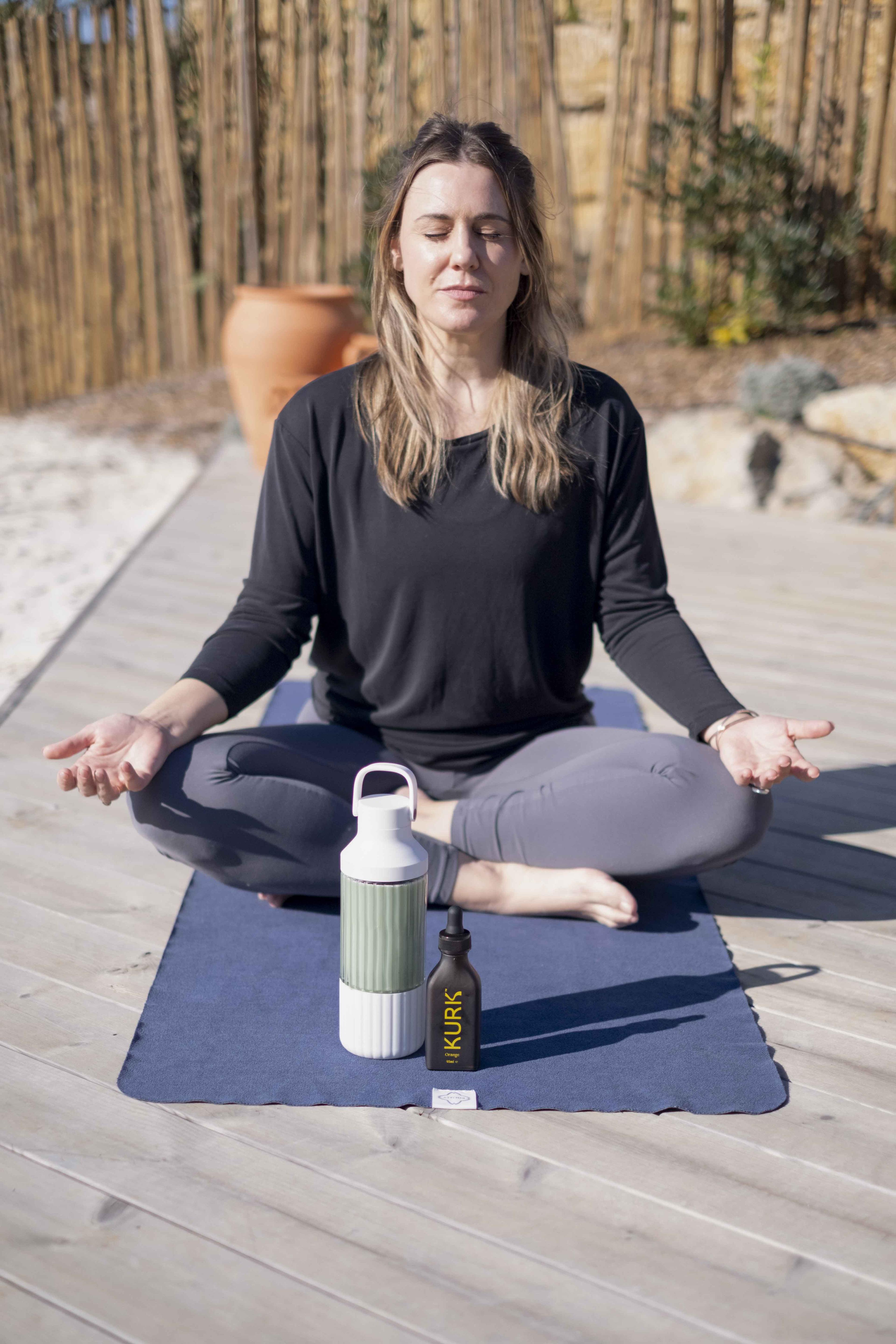

Here's something that might surprise you: how you walk matters as much as how much you walk.
A 2025 study from the University of Sydney analysed over 33,000 adults and found that those who walked continuously for 10–15 minutes had dramatically lower cardiovascular risk than those who took the same number of steps in shorter bursts throughout the day [4].
Among people taking fewer than 8,000 steps daily, those who walked in continuous bouts of 10–15 minutes had just a 4% chance of a cardiovascular event over eight years. Those who walked only in 5-minute bursts? A 13% risk [4].
For the most sedentary group (5,000 steps or fewer), the difference was even starker: cardiovascular disease risk dropped from 15% to 7% simply by walking for longer at a time.
The researchers believe continuous walking allows your cardiovascular system to "switch on" properly. Short bursts don't give your heart and lungs enough time to work at a sustained level.
Don't stress about hitting 10,000 steps. Instead, carve out one or two 10–15 minute walks each day. A lunchtime walk. An after-dinner stroll. That's it.
Every few years, a new "heart healthy" diet captures attention. But when you strip away the marketing, the evidence points to remarkably similar principles.
The American Heart Association's 2021 dietary guidance emphasises patterns over individual foods [5]. What matters isn't whether you eat this superfood or avoid that villain ingredient. It's the overall shape of your diet.
The Mediterranean diet – rich in vegetables, fruits, whole grains, legumes, nuts, olive oil, and fish – has been shown to reduce cardiovascular disease risk by around 30% [5]. The DASH diet (Dietary Approaches to Stop Hypertension) shows similar benefits for blood pressure.
What do these diets have in common? Plants at the centre. Minimal ultra-processed foods. Healthy fats from olive oil and fish rather than processed sources.
Research consistently shows that reducing ultra-processed food intake is associated with lower risk of cardiovascular disease, type 2 diabetes, and obesity [5].
You don't need to follow a specific diet perfectly. Just ask yourself: could I add more vegetables to this meal? Could I swap the processed option for something closer to whole food? Small shifts compound over time.


We often treat stress as a mental health issue separate from physical health. But your cardiovascular system doesn't make that distinction.
Chronic stress triggers sustained activation of your sympathetic nervous system and hypothalamic-pituitary-adrenal axis – fancy terms for your body's "fight or flight" response staying switched on [6]. Over time, this contributes to elevated blood pressure, arterial stiffness, and systemic inflammation.
A 2024 study in the Journal of the American Heart Association analysed data from over 121,000 UK Biobank participants. Those with higher levels of psychological wellbeing had a 21% lower risk of heart attack and 14% lower risk of stroke [7].
Interestingly, the researchers found that much of this protection came through behaviour: people with higher wellbeing were less likely to smoke, more likely to exercise, and had lower levels of inflammation.
Find what genuinely helps you decompress – whether that's a daily walk, time in nature, meditation, or simply protecting time for activities you enjoy. The specific method matters less than having something that works for you.
Here's the habit that ties everything else together: sustainable beats optimal.
Research on lifestyle interventions consistently shows that the biggest barrier isn't knowing what to do – it's maintaining the changes [8]. A "perfect" week followed by abandonment does less for your heart than modest improvements you stick with for years.
A 2025 study from Harvard-affiliated Beth Israel Deaconess Medical Center tracked cardiovascular health trajectories over 35 years. They found that for every 10-point decline in heart health score between someone's 20s and 40s, their risk of cardiovascular disease later in life increased by 53% [9].
The flip side? Improvements in cardiovascular health – even modest ones – were associated with lower future risk. Change matters, and it's never too late to start.
Pick one habit from this list and focus on it for a month before adding another. Build the foundation before adding floors.

Heart Health Month comes once a year. But your heart works every single day.
The habits that protect it aren't complicated. Sleep enough. Walk a bit longer. Eat more plants. Find ways to manage stress. And above all, make changes you can actually sustain.
At KURK, we think about health the same way. There's no magic bullet – just quality choices, made consistently, that compound over time. It's why we focus on absorption and ingredient quality rather than making promises about quick fixes.
Real health isn't built in a month. It's built in the daily choices that become second nature.
The five most evidence-backed habits are: sleeping 7–9 hours consistently, walking for 10–15 minutes continuously (not just short bursts), eating a plant-rich diet with minimal ultra-processed foods, managing stress daily, and focusing on sustainable changes rather than perfection.
Research shows that walking continuously for 10–15 minutes provides greater cardiovascular benefit than the same number of steps taken in shorter bursts. You don't need 10,000 steps – even 4,000 steps with some longer continuous walks can provide meaningful benefits.
Yes. Sleep is now included in the American Heart Association's "Life's Essential 8" for cardiovascular health. Both too little (under 7 hours) and too much (over 8–9 hours) sleep are associated with increased cardiovascular risk. Consistency of sleep timing also matters.
Chronic stress contributes to elevated blood pressure, arterial stiffness, and inflammation – all risk factors for cardiovascular disease. Studies show people with higher psychological wellbeing have significantly lower rates of heart attack and stroke.
No. Research shows that improvements in cardiovascular health at any age are associated with lower future risk. While earlier is better, meaningful benefits can be gained from lifestyle changes made at any point in life.