We've moved
Kurk has a new home
We've upgraded to a smarter, faster experience at kurk.life. New customers can shop there now. Existing subscribers can log in here to manage their account.
We've moved
We've upgraded to a smarter, faster experience at kurk.life. New customers can shop there now. Existing subscribers can log in here to manage their account.

Not all inflammation is loud.
It doesn’t always show up as redness, swelling, or sharp pain. In fact, the most disruptive kind—chronic low-grade inflammation—often operates under the radar. It quietly builds up over time, interfering with how your body restores, protects, and heals itself.
This type of inflammation is now recognised as a root cause in many long-term health issues. It can affect your joints, brain, immune system, gut, and metabolism, often before you even realise it’s happening.
Studies suggest that up to 60% of adults live with some form of chronic inflammation. The signs may seem unrelated at first—but when you connect the dots, a pattern emerges.
Here are seven subtle but telling signs that inflammation might be interfering with your health.
If you’re getting 7–8 hours but still feel drained in the morning, inflammation may be quietly disrupting your sleep architecture. Even if you’re not waking up fully, inflammatory chemicals like cytokines can affect your ability to enter deep, restorative sleep.
Experts agree that systemic inflammation can interfere with cellular repair overnight. The result is low energy, brain fog, and a sense that rest never quite refills your tank.
Aches and stiffness in the morning or after sitting for long periods are common signs of underlying joint inflammation. You might not have arthritis, but when inflammatory compounds accumulate in the joints, they can irritate tissue and slow down your recovery.
This symptom often creeps in gradually, so many people brush it off as “just getting older”—when it’s actually a sign that your body’s internal repair systems are under pressure.
Struggling to focus, feeling mentally sluggish, or having trouble recalling words? Inflammation may be affecting how your brain cells communicate. Neuroinflammation—when inflammation reaches the brain—can impair memory, mood, and cognitive speed.
This doesn’t mean something is wrong with your mind. It means your body may be prioritising internal repair over mental performance.
If every bug seems to find you—or your colds drag on longer than they used to—your immune system may be overwhelmed by internal stress. Chronic inflammation can reduce your body’s capacity to mount an efficient immune response.
Your body is busy fighting on the inside. That means it has fewer resources left to defend against new threats or help you bounce back quickly from minor illnesses.
Inflammation and metabolism are tightly connected. Visceral fat—the kind that collects around your belly—produces inflammatory chemicals that fuel a cycle of insulin resistance and fat storage. It becomes harder to shift the weight, and easier to gain more of it.
This isn’t just about food choices. It’s a signal that your body’s balance is off, and inflammation is playing a role behind the scenes.
If you’re dealing with breakouts, rashes, or redness that won’t go away, your skin may be reflecting what’s going on internally. Inflammation in the gut or immune system can show up on the surface—especially if your barrier function is compromised.
Your skin is one of the body’s most sensitive messengers. When it acts up, it’s often worth looking beneath the surface for clues.
Some soreness after a workout is normal. But if you’re still aching 48–72 hours later, your body may be struggling to repair muscle and tissue. Inflammation slows recovery and can leave your system in a constant cycle of catch-up.
Instead of getting stronger, you might just feel depleted. Over time, this can lead to frustration, burnout, or even injury.
The good news is that chronic inflammation is highly responsive to daily habits. You don’t need to overhaul your entire lifestyle—just start by supporting the key systems that help your body stay in balance.
Eat a whole-food, anti-inflammatory diet rich in leafy greens, berries, turmeric, oily fish, and whole grains
Prioritise consistent, restorative sleep—your body does most of its repair work overnight
Move your body daily, even if it’s a gentle walk or stretch
Stay hydrated throughout the day to support circulation and detoxification
Support immune, gut, and cellular health with evidence-based nutrients like curcumin
These changes may sound simple, but they’re backed by decades of clinical research. Inflammation is dynamic. Given the right environment, your body can rebalance and repair itself more efficiently.
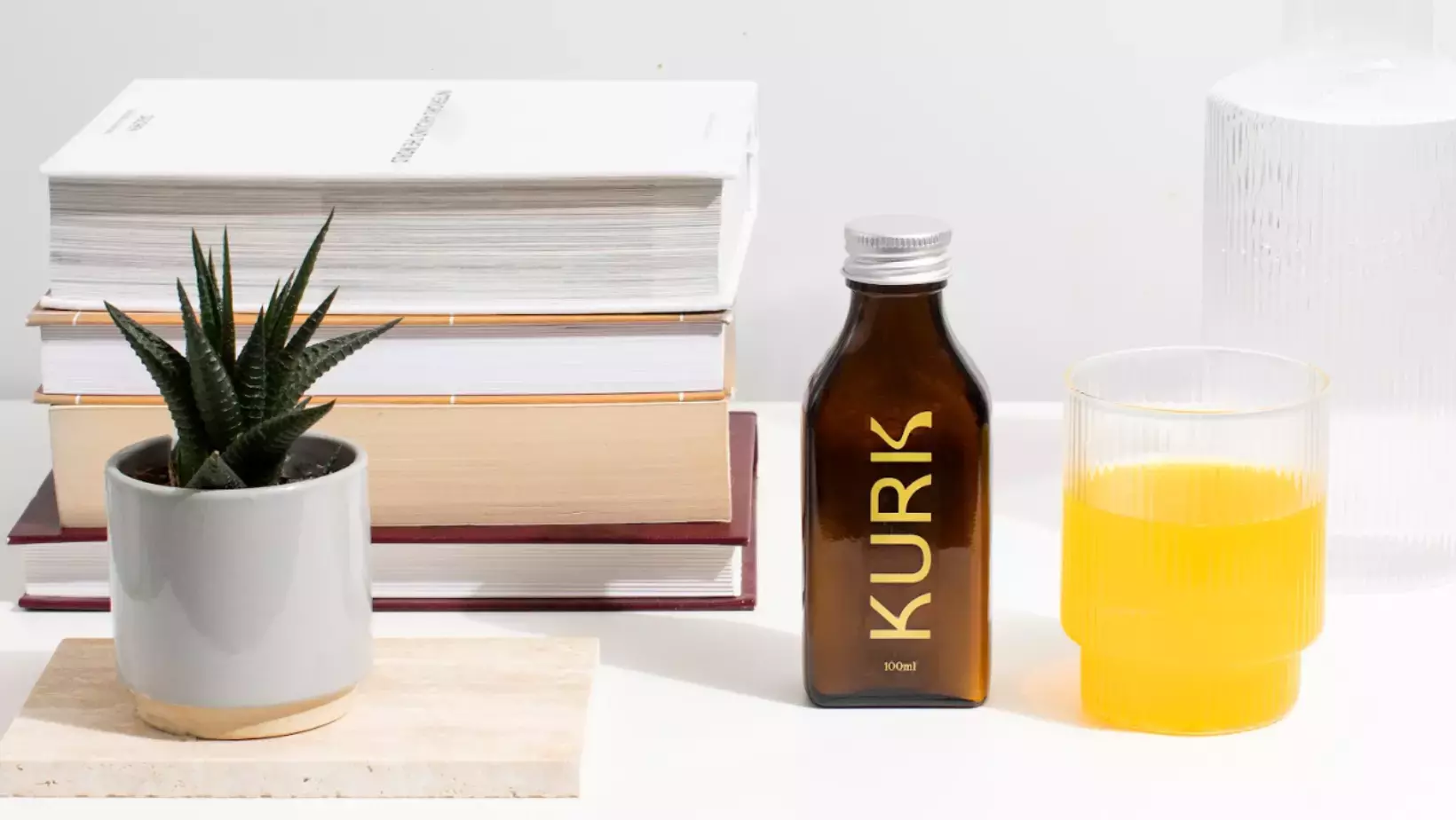
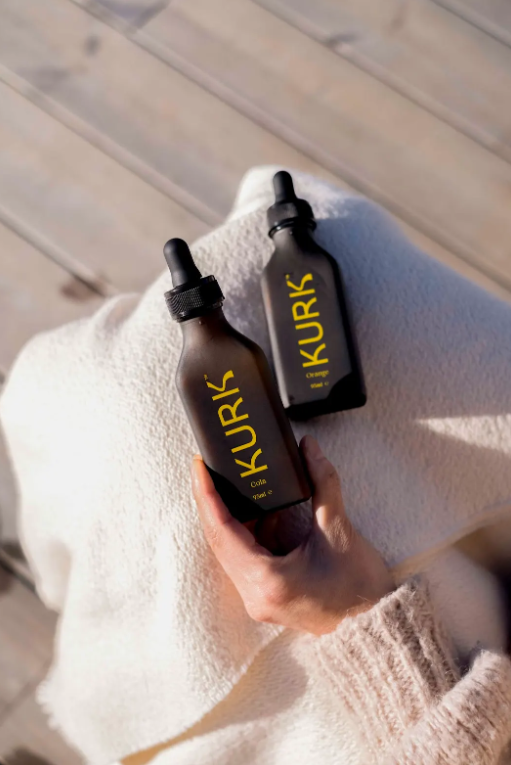
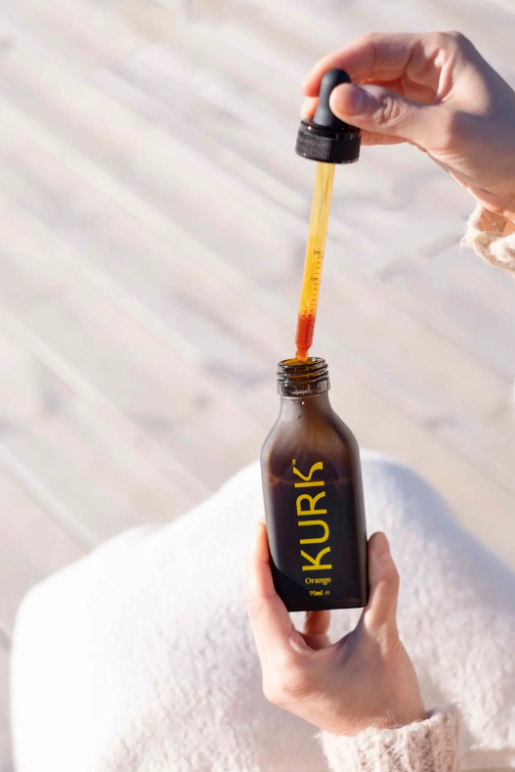
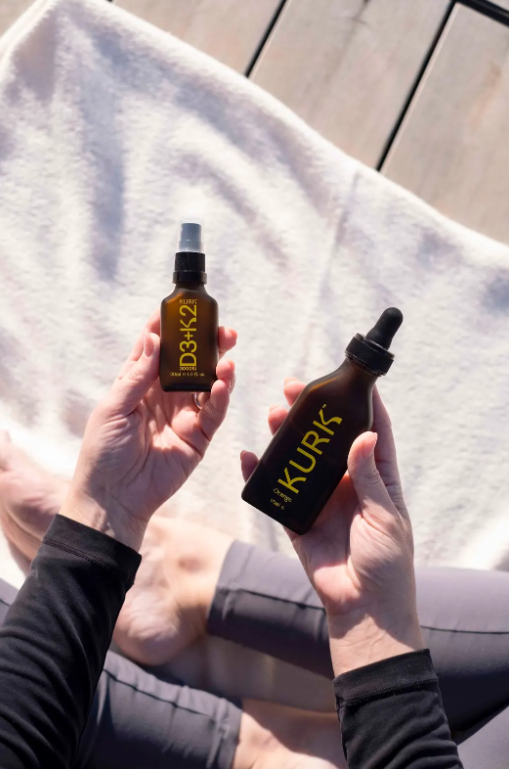
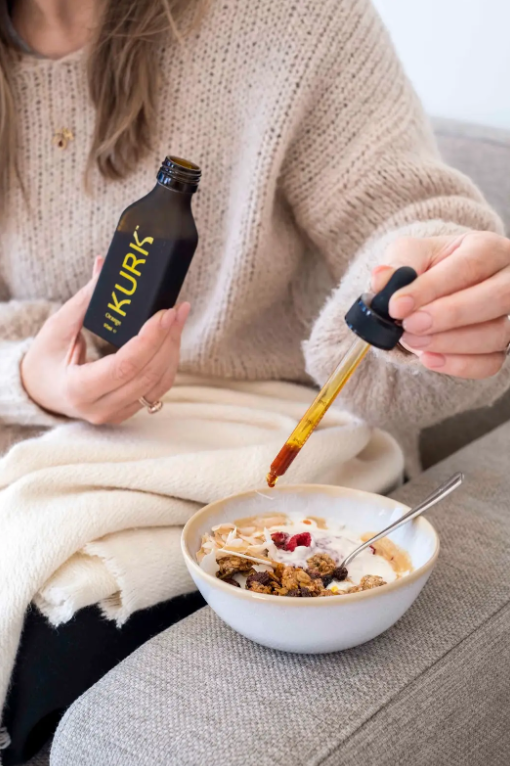
KURK is a fast-absorbing liquid curcumin solution designed to help your body manage inflammation at its source.
Unlike raw turmeric or powdered supplements, KURK uses micellar technology to ensure that curcumin is properly absorbed and delivered to your cells. It works by supporting the three key systems that regulate inflammation: your immune system, gut microbiome, and cellular repair processes.
It’s a simple daily habit that gives your body the extra support it needs to recover, restore, and stay ahead of the wear and tear of daily life.